The eyes really can reveal what is happening inside the body, and alcohol leaves some of its most obvious clues there. Police officers use eye behavior during sobriety tests, doctors look at the whites of patients’ eyes during checkups, and family members often notice changes in a loved one’s gaze long before any conversation about drinking happens. The term “alcoholic eyes” is an informal phrase that describes the cluster of visual changes, both short-term and long-term, associated with alcohol consumption. Recognizing these signs can help you understand intoxication, spot possible patterns of abuse, and decide when it might be time to ask hard questions. Here is a clear breakdown of how alcohol affects the eyes and why it matters.
What Are “Alcoholic Eyes”?
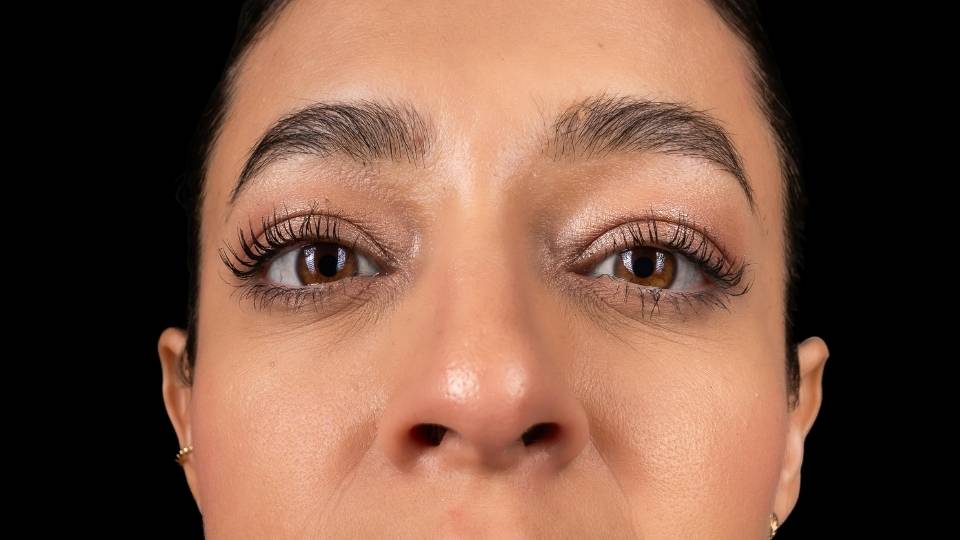
The phrase alcoholic eyes refers to the visible symptoms that alcohol may leave on a person’s eyes, both during a drinking episode and over years of heavy use. Some changes appear quickly, like redness or a glassy stare. Others develop slowly and may indicate deeper health problems, including liver disease and optic nerve damage. Together, these signs offer a window into how alcohol may be affecting someone’s nervous system, blood vessels, and overall wellness.
Does Alcohol Dilate Pupils?
This is one of the most searched questions about alcohol’s effects on the body, and the answer is more nuanced than a simple yes.
Why Pupils Dilate When Drunk
Does alcohol dilate pupils? Alcohol can affect pupil response, but it does not always cause obvious pupil dilation. Alcohol is a central nervous system depressant, and it can interfere with the nervous system pathways that control eye movement and pupil reaction. This may make pupils respond more slowly or appear abnormal to some people. Alcohol also disrupts brain signaling between the eyes and the visual cortex, which may slow or alter the constriction reflex that normally protects you from bright light.
Blue View Recovery
Alcohol Addiction Treatment in King of Prussia
Compassionate, evidence-based support for individuals ready to take the next step toward recovery.
Learn About Alcohol Treatment →Drunk Pupils vs Sober: What to Look For
When comparing drunk pupils vs sober, the differences can be subtle and are not always reliable on their own. Sober pupils respond quickly to changes in lighting and stay proportionate to the light in the room. Pupils, when drunk, may react more slowly or inconsistently when a flashlight or phone screen shines into the eye. Alcohol pupils may also appear abnormal in some people, especially alongside other signs of intoxication, which is one reason driving at night under the influence is so dangerous.
So do pupils dilate when drunk in every case? No, not always to a dramatic degree, and the change varies based on how much someone has consumed, their tolerance, and any other substances in their system. Slow or abnormal pupil response can be one possible clue of intoxication, but it is not specific to alcohol and should be considered alongside other signs.
Bloodshot and Red Eyes
Bloodshot eyes are arguably the most recognizable possible sign of recent drinking, though many non-alcohol causes can look similar. Alcohol is a vasodilator, meaning it causes blood vessels throughout the body to expand. The tiny capillaries on the surface of the eyes are no exception. When they widen, more blood flows into them, giving the whites of the eyes that telltale red or pink appearance.
Dehydration adds to the effect. Alcohol pulls water from tissues, including the tear film that keeps eyes lubricated. Dry, irritated eyes often look red on their own, and the combination of vasodilation and dehydration produces the classic morning-after look that no amount of eye drops can fully fix. Even short bursts of heavy drinking, like a weekend of borg drinking on a college campus, can leave eyes bloodshot and bleary the next morning.
Tired, sore eyes often go hand-in-hand with other hangover symptoms. Here’s why your body aches all over after drinking.
Other Visible Signs of Alcohol Abuse
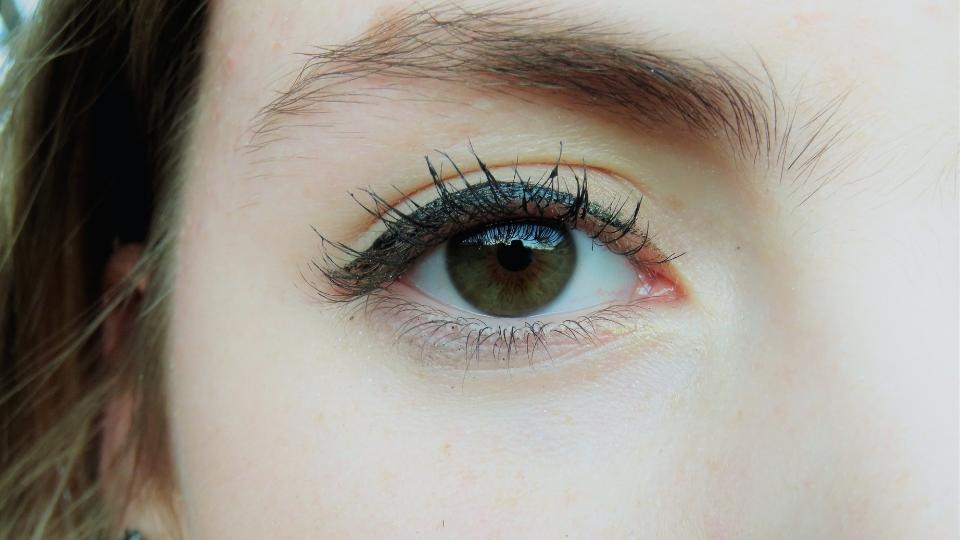
Pupils and redness are only part of the picture. Several other ocular signs may accompany intoxication or heavy drinking, though none are unique to alcohol on their own.
Glassy or Glazed Look
Alcohol can affect focus, coordination, and the tear film. The result is a shiny or unfocused stare often described as “glassy” eyes. The look is partly fluid and partly the slowed visual coordination that comes with intoxication.
Slowed Pupil Response
Beyond simple dilation, alcohol may delay or alter how quickly pupils adjust to changes in light, especially at higher levels of intoxication. This impaired reaction is one reason drunk drivers may struggle to recover from oncoming headlights and why night vision worsens significantly after drinking.
Eyelid Twitching (Myokymia)
Heavy or prolonged alcohol use, fatigue, stress, dehydration, and caffeine can all contribute to eyelid twitching, known medically as myokymia. The twitching is usually harmless on its own and is not specific to alcohol, but if it happens alongside heavy drinking, poor sleep, dehydration, or other symptoms, it may be worth discussing with a clinician.
Yellowing of the Whites (Jaundice)
A yellowish tint in the whites of the eyes, called scleral icterus, suggests that the liver is struggling to process bilirubin. In heavy drinkers, jaundice can signal serious liver disease like alcoholic hepatitis or cirrhosis and warrants prompt medical attention.
Horizontal Gaze Nystagmus
When the eyes jerk involuntarily as they track an object moving sideways, that movement is called horizontal gaze nystagmus. Alcohol intensifies this jerking, which is why it is part of standard field sobriety tests used by law enforcement. If multiple of these eye changes show up alongside other symptoms, it may be worth checking the official criteria for alcohol use disorder.
Long-Term Eye Damage
Casual drinkers may notice their eyes return to normal once the alcohol wears off. Long-term heavy use is a different story. Chronic alcohol consumption has been linked to optic neuropathy, a condition in which the optic nerve becomes damaged and can cause permanent vision loss. Heavy drinkers also face higher rates of cataracts, age-related macular degeneration, and persistent dry eye disease.
Vitamin deficiencies common in alcohol use disorder, particularly thiamine and vitamin A, further contribute to neurologic and vision problems. Eye changes can also appear alongside neurological symptoms like alcoholic dementia and Wernicke-Korsakoff syndrome. Depending on the type and severity of damage, tunnel vision, reduced color perception, and decreased contrast sensitivity can all develop over time, and these changes may not reverse fully even after a person stops drinking.
When to Seek Help
Occasional bloodshot eyes after a night out are not usually cause for alarm. Persistent redness, frequent twitching, ongoing blurred vision, or yellowing of the whites are different. Yellowing of the whites warrants prompt medical attention, and other ongoing symptoms may indicate that drinking has progressed to a level where the body is showing real damage. If you or someone you love has noticed these changes alongside drinking patterns that feel out of control, professional support is available.
The Substance Abuse and Mental Health Services Administration (SAMHSA) operates a free, confidential helpline at 1-800-662-HELP (4357), available 24 hours a day. An eye doctor or primary care provider can also assess whether long-term damage has begun and recommend appropriate next steps.
Visible signs are only the surface. A drug and alcohol evaluation can reveal what’s really going on. The good news is the eyes often clear up quickly with sobriety. See what 30 days without alcohol can change. By 60 days without alcohol, many people notice their eyes look brighter and less yellowed.
Alcoholic Eyes Frequently Asked Questions
How long do alcoholic eyes last after drinking?
Most short-term effects like redness, glassiness, and impaired visual coordination fade within a few hours to a day as alcohol leaves the system and hydration returns. Persistent symptoms lasting beyond a day, or any yellowing of the whites, suggest a deeper issue and warrant a medical evaluation.
Can you tell if someone is drunk just by looking at their eyes?
Sometimes, eye signs can raise suspicion, but you cannot confirm drunkenness by looking at the eyes alone. Bloodshot whites, slow pupil reactions, a glassy stare, and jerky eye movements are all common visual signs of intoxication. However, eye changes alone are not definitive, since allergies, fatigue, contact lens irritation, and certain medications can mimic similar symptoms in sober individuals.
Does drinking water reduce alcohol’s effects on the eyes?
Hydration helps with some symptoms, especially redness and dryness caused by alcohol’s dehydrating effect. However, water does not reverse alcohol’s direct effects on the central nervous system, including impaired coordination, slowed reaction time, abnormal pupil response, or visual processing problems.