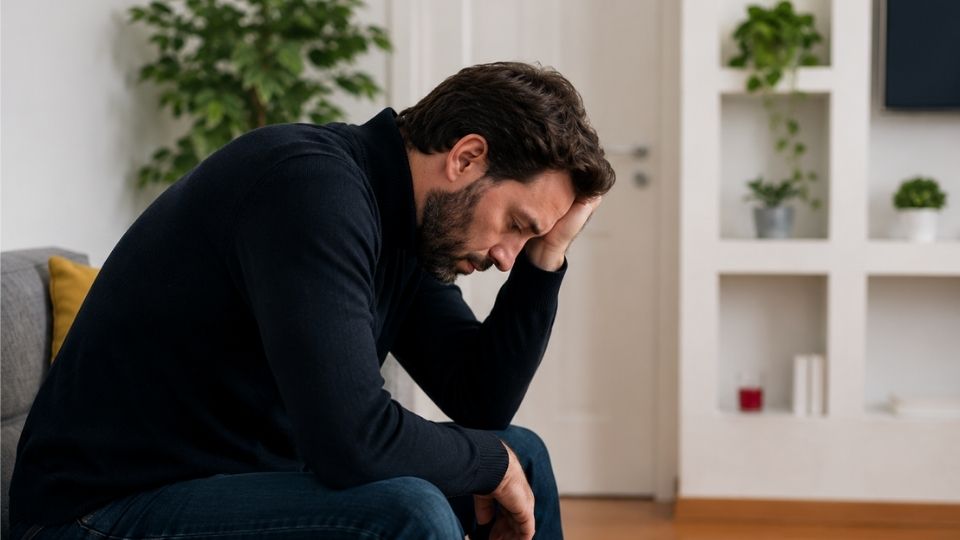
Waking up with sore muscles, a stiff back, or aching legs after a night of drinking is one of those experiences most people just chalk up to a bad hangover. The truth is that an aching body after drinking is not random discomfort. It is the result of several overlapping physiological processes happening at once, ranging from dehydration to inflammation to the way alcohol byproducts affect the body.
Understanding what is actually causing the pain can help you ease it faster, prevent it next time, and recognize when soreness is signaling something more serious. You will also want to put thought into the frequency and amount of drinking, and if you have developed dependence or alcohol addiction. Here is what is really going on inside your body when alcohol leaves it hurting.
Why Does My Body Ache After Drinking? The Science
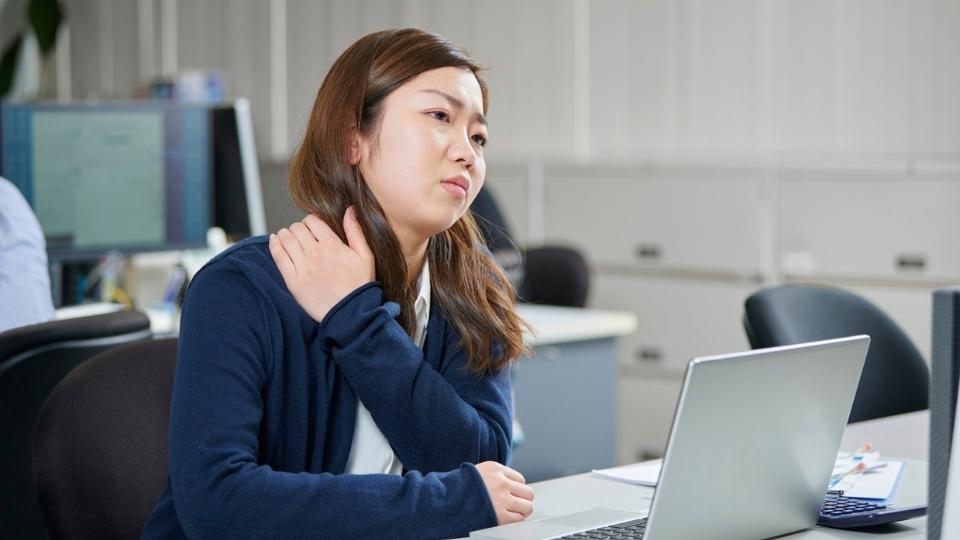
If you have ever wondered “why does my body ache after drinking,” the answer involves multiple overlapping mechanisms. Alcohol affects nearly every system in the body, and your muscles, joints, and connective tissues are no exception. Body aches are especially common after binge sessions, including viral trends like borg drinking, which can pack 16+ shots into a single jug.
Dehydration and Electrolyte Loss
Alcohol has a diuretic effect, meaning it can make you urinate more than usual and contribute to dehydration. As fluids leave the body, and especially if sweating, vomiting, or poor intake are also involved, electrolyte imbalances can develop. Minerals like sodium, potassium, and magnesium are essential for muscle contraction and relaxation. When they run low, muscles may cramp, stiffen, and ache. Dehydration can also make you feel heavy, weak, and fatigued.
Acetaldehyde Buildup
When the liver metabolizes alcohol, it first produces acetaldehyde, a compound considerably more toxic than alcohol itself. Alcohol metabolism can increase oxidative stress and inflammation, which may contribute to muscle dysfunction, soreness, and next-day sensitivity. The more you drink, the more likely alcohol byproducts and inflammatory effects are to contribute to next-day soreness.
Inflammatory Response
Alcohol prompts the immune system to release inflammatory cytokines, chemical messengers that can produce flu-like symptoms, including widespread muscle aches. This is why a hangover can feel almost identical to having a virus. Your body is not fighting an infection. It is reacting to alcohol’s toxic byproducts. Long-term inflammation from chronic drinking has been linked to broader damage, including alcoholic dementia and Wernicke-Korsakoff syndrome.
Disrupted Sleep and Recovery
Alcohol fragments sleep and can interfere with the deep, restorative rest your body uses for tissue repair and recovery. Even if you spent eight hours in bed, your body may not have gotten the deep, restorative rest it needed to recover from normal daily wear and tear. Add in inflammation, dehydration, poor sleep, and any physical strain from the night before, and the result is exaggerated next-day soreness.
Nutrient Depletion
Over time, heavy drinking can drain the body of B vitamins, magnesium, zinc, and potassium, all of which are critical for energy production and muscle function. This depletion is one reason your muscles can feel weak and ache after heavy drinking, even after you have rehydrated.
Metabolic Strain
Because the liver prioritizes processing alcohol, normal energy balance and recovery can be disrupted. That can add to the heavy, worn-out feeling after a night of drinking.
Blue View Recovery
Alcohol Addiction Treatment in King of Prussia
Compassionate, evidence-based support for individuals ready to take the next step toward recovery.
Learn About Alcohol Treatment →Why Do My Legs Hurt After Drinking?
A common search query is “why do my legs hurt after drinking,” and there is a clear explanation. The legs contain the largest muscles in the body, so they may show the effects of dehydration, electrolyte shifts, and inflammation more dramatically than smaller muscle groups. Sitting on a barstool, dancing for hours, walking more than usual, or sleeping in an awkward position without rehydrating compounds the issue.
Many people also notice leg cramps overnight, which may be related to dehydration, electrolyte shifts, muscle fatigue, or sleep position. If your legs hurt specifically when standing or walking the next day, that may be the cumulative effect of all these mechanisms hitting your largest muscles at once. If body aches show up after every drinking session, it may be a quiet sign your habits are starting to meet the criteria for alcohol use disorder.
Other Common Body Pains After Drinking Alcohol
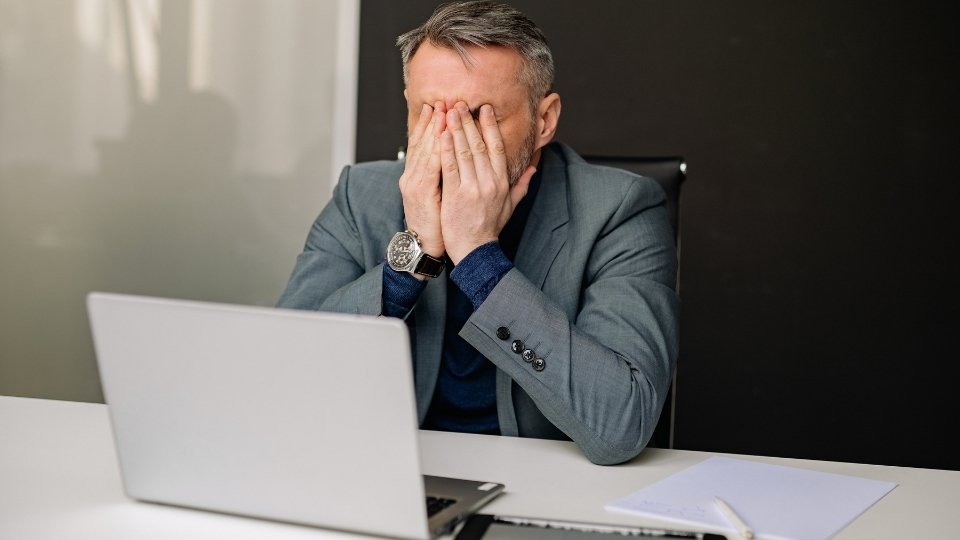
Body pains after drinking alcohol are not limited to muscles. Several other parts of the body commonly take the hit.
Headache
Dehydration contributes to headache, while alcohol-driven blood vessel dilation may increase throbbing or pressure sensations. The result is the classic pounding hangover headache.
Back Pain
Back pain after drinking is more often related to dehydration, inflammation, poor sleep position, muscle tension, or existing back problems. Severe flank pain, fever, or urinary symptoms should be evaluated by a clinician. If aches and other symptoms have become routine, a drug and alcohol evaluation can help you understand what’s really going on.
Joint and Muscle Aches
Alcohol increases inflammation throughout the body, irritating joints as well as muscles. People with conditions like arthritis or fibromyalgia often notice their symptoms flare significantly the day after drinking. Body aches also tend to travel with other physical signs of alcohol abuse, like the bloodshot or yellowed eyes that often follow regular drinking.
When Body Hurting After Drinking Signals Something More
Occasional soreness is one thing. Persistent or progressive body pain after drinking can point to more serious damage that warrants medical attention.
Alcoholic Myopathy
Chronic heavy drinking can cause alcoholic myopathy, a condition in which alcohol directly damages muscle fibers. Symptoms include progressive weakness in the shoulders, hips, and thighs, muscle wasting despite stable body weight, difficulty climbing stairs, and reduced exercise tolerance. The condition can improve significantly with sustained sobriety, nutrition, and medical care, but ignoring it can lead to lasting weakness or muscle loss.
Rhabdomyolysis
Rhabdomyolysis is a rare but life-threatening complication in which muscle tissue rapidly breaks down and releases proteins into the bloodstream, sometimes damaging the kidneys. It can be triggered by binge drinking, especially when combined with prolonged immobility (such as passing out for hours in one position). Warning signs include severe muscle pain, dark or cola-colored urine, weakness, and confusion. Rhabdomyolysis requires immediate emergency care.
How to Reduce an Aching Body After Drinking
You cannot fully prevent the effects of alcohol on muscles, but a few habits can soften the blow. Drink water steadily throughout the night and keep a glass on your nightstand. Replace electrolytes with a low-sugar sports drink, oral rehydration solution, or coconut water. Eat before drinking to slow alcohol absorption and reduce stomach irritation.
A small snack later may help some people, but avoid heavy late meals if they worsen reflux. Take a gentle walk or do light stretching the next day to ease stiffness. Over-the-counter ibuprofen can help some people, but it can irritate the stomach and is not safe for everyone. Avoid acetaminophen after heavy drinking unless a clinician says otherwise, since it can compound alcohol’s effect on the liver. Most importantly, rest.
When to See a Doctor
See a healthcare provider if muscle soreness lasts longer than a few days, if you experience progressive weakness, if you notice dark urine after drinking, or if pain comes with fever or shortness of breath. If body pain after drinking has become routine, that pattern is itself worth discussing with a doctor. The Substance Abuse and Mental Health Services Administration runs a free, confidential 24/7 helpline at 1-800-662-HELP (4357).
If possible, take a break from alcohol. Here’s what 30 days without alcohol typically feels like. And here’s how the body keeps recovering at the 60-day mark.
Why Do I Have an Aching Body After Drinking? Frequently Asked Questions
Why does even a little alcohol leave my body sore the next day?
Sensitivity varies based on age, hydration, sleep quality, body composition, and individual differences in alcohol metabolism. Some people process alcohol byproducts more slowly, which can make hangover symptoms more pronounced. Medications, existing inflammation, and nutrient deficiencies can also amplify how much pain even one or two drinks produces.
How long should body aches from drinking last?
Most alcohol-related body aches resolve within 24 to 48 hours as hydration restores and inflammation subsides. Soreness lasting beyond three days, or worsening rather than improving, suggests something more than a typical hangover and should be evaluated by a doctor, especially if accompanied by weakness or dark urine.
Can drinking water before bed actually prevent next-day aches?
Partially, for some people. Pre-sleep hydration may help reduce dehydration-related headache, cramps, or dry mouth. However, water alone cannot prevent all next-day aches or reverse alcohol’s inflammatory effects, sleep disruption, or the impact of alcohol byproducts. Combining hydration with electrolytes, food, and moderation produces much better results than water alone.