Whether it is sparked by Dry January, a doctor’s recommendation, or a quiet question that has been bothering you for months, the decision to spend a full month away from drinking is gaining momentum. Millions of people now take an alcohol break each year, whether through official challenges or on their own, and research shows that even short stretches of sobriety can produce real, measurable changes in the body and mind, especially for people who drink regularly. If you are thinking about trying 30 days no alcohol, knowing what to expect can make the difference between a successful reset and a frustrated retreat. Here is a clear, week-by-week guide to what happens during a month off drinking and how to give yourself the best shot at making it stick when struggling with alcohol addiction.
Why Try 30 Days No Alcohol?

People choose 30 days for many reasons. Some want to lose weight, sleep better, or save money. Others have noticed creeping habits that worry them. Many simply want to prove to themselves that they can take a break. Whatever the motivation, the body can respond quickly, and many people are surprised by how much it improves in just four short weeks.
The Rise of Dry January
Dry January started in the United Kingdom in 2013 as a public health campaign and has since become a global phenomenon. Taking 30 days without alcohol gives your body a chance to see in real time how alcohol affects many systems, and how quickly some of those systems can begin to recover. The same logic applies to “Sober October,” “Dry July,” or any random month you decide to try.
For students rethinking party habits like borg drinking, a 30-day reset can be a powerful experiment.
The 30 Days Without Alcohol Timeline
Here is what many people experience during a typical month off drinking. Heavier drinkers tend to feel more dramatic shifts; lighter drinkers may notice subtler changes.
Days 1 to 3: Withdrawal Begins
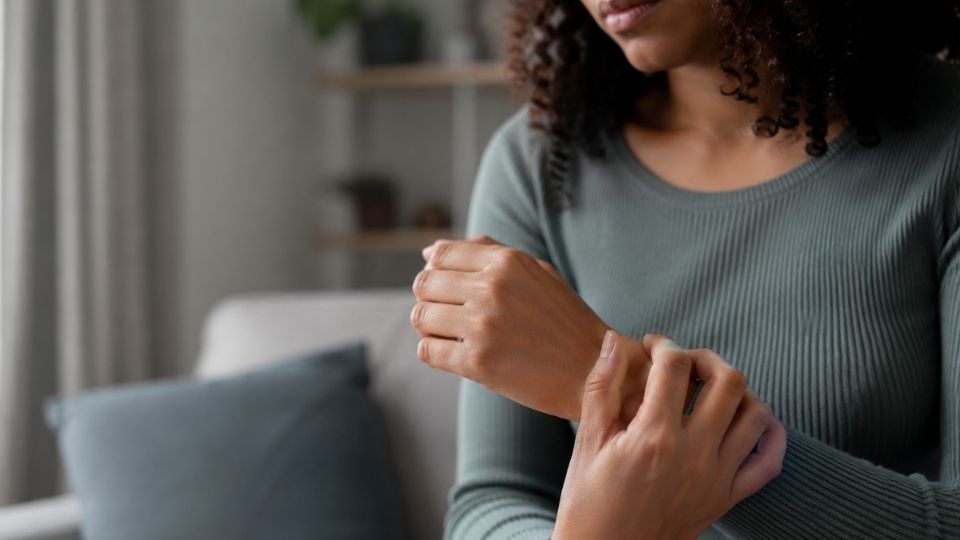
For regular drinkers, the first 72 hours are usually the hardest. Mild withdrawal can include irritability, anxiety, headaches, sweating, and trouble sleeping. Cravings may be strongest early on for some people, but they can also return later in response to stress or triggers.
Heavy daily drinkers can experience more severe symptoms like tremors or rapid heart rate, which is why anyone with a long history of heavy use should consult a doctor before stopping cold. One of the first things many people notice is the disappearance of the all-over body aches that follow heavy drinking.
Days 4 to 7: The First Wins
By the end of the first week, many acute symptoms begin to fade, though some people continue to experience sleep problems, mood changes, or cravings. Sleep may start to feel more restorative as REM cycles normalize. Hydration may improve, headaches and stomach issues may ease up, and many people notice a small bump in morning energy. Skin may look a little brighter as dehydration and inflammation begin to improve.
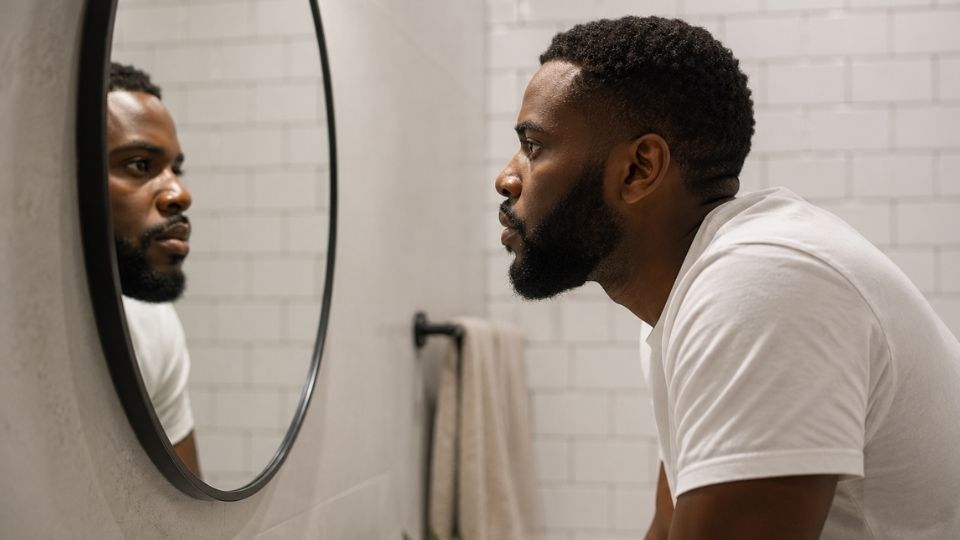
By the end of week one, many people notice clearer skin and brighter, less bloodshot eyes, a reversal of the typical eye changes seen in alcohol abuse.
Week 2: Hormones and Mood Reset
Around days 8 through 14, digestion and gut health may begin to improve, and brain chemistry continues to rebalance. As the brain adjusts to the absence of alcohol, mood may improve, and the low-grade anxiety that many drinkers do not realize alcohol was worsening may begin to ease. Cravings for alcohol may begin to decline for some people, while sugar cravings can vary.
Week 3: Inflammation Drops
By the third week, some people notice less inflammation-related puffiness, redness, or discomfort. Blood pressure may come down, fatty liver markers can improve, and many people see less puffiness or redness in the face. Mood may become more stable, mental clarity can sharpen, and sleep often continues to improve.
Week 4: A Strong Reset
The final stretch tends to feel surprisingly comfortable for many people. Liver-related markers and metabolic health may show meaningful improvement, immune function may strengthen, and energy levels often feel steadier. Many people end the month asking themselves a powerful question: Do I actually need alcohol at all?
Blue View Recovery
Alcohol Addiction Treatment in King of Prussia
Compassionate, evidence-based support for individuals ready to take the next step toward recovery.
Learn About Alcohol Treatment →Benefits of Not Drinking for 30 Days

The benefits of not drinking for 30 days are supported by medical research and widely reported in personal experience. If you’re considering 30 days off, it can also be useful to review the criteria for alcohol use disorder as a self-check.
Better Sleep
Alcohol fragments sleep architecture and suppresses REM cycles even at moderate doses. After a month off, many people report falling asleep more easily, staying asleep longer, and waking up feeling genuinely rested rather than groggy.
Liver and Heart Recovery
The liver can begin recovering within days of the last drink, depending on a person’s baseline health and drinking history. Studies show that even a single month of abstinence can reduce liver fat, lower liver enzyme markers, and improve insulin sensitivity. Blood pressure often improves, and resting heart rate may slow in some people.
Mental Clarity and Mood
Alcohol is a depressant that disrupts neurotransmitter function. As brain chemistry adjusts, anxiety and low mood may improve for many people. Memory, focus, and decision-making can sharpen, and many people notice they feel more emotionally even-keeled by the end of the month. Even short-term sobriety can begin to ease cognitive fog, though serious damage like alcoholic dementia requires longer-term treatment.
Weight, Skin, and Money Savings
A standard drink contains 100 to 200 calories with no nutritional value. Cutting them out for 30 days can produce modest weight loss, especially if alcohol calories are not replaced by extra snacks or sugary drinks. Skin may improve as hydration, sleep, and inflammation improve. And the financial savings can be eye-opening, sometimes hundreds of dollars, depending on previous habits.
How to Succeed With No Alcohol for 30 Days
Going no alcohol for 30 days is easier with a plan. Tell at least one trusted person what you are doing so you have accountability. Stock the fridge with non-alcoholic alternatives like sparkling water, alcohol-free drinks, or zero-proof beverages. Check labels on kombucha, since some products contain trace alcohol. Identify your usual triggers (stressful days, certain friends, specific bars) and decide in advance how you will handle them. Replace the ritual rather than just the drink, swapping a glass of wine for a hot tea, a walk, or a phone call. Apps like I Am Sober or Reframe can also help you track wins and stay on course.
A Word of Caution
For most light to moderate drinkers, a 30-day break is safe and beneficial. However, anyone who has been drinking heavily every day or who has experienced serious withdrawal symptoms in the past should not stop suddenly without medical supervision. Severe alcohol withdrawal can include seizures and a life-threatening condition called delirium tremens. If you fall into this category, talk to a doctor first. The Substance Abuse and Mental Health Services Administration runs a free, confidential helpline at 1-800-662-HELP (4357), available 24 hours a day, that can connect you with safe options.
If withdrawal symptoms feel intense, consider getting a professional drug and alcohol evaluation before going it alone.
After One Month No Drinking
Reaching the end of one month, no drinking opens up a real choice. Some people return to moderate drinking with a clearer sense of how alcohol actually makes them feel. Others realize they prefer life without it and extend the break indefinitely. Research suggests that a structured 30-day reset can lead to lower alcohol consumption for many participants six months later, especially when they use support tools. Whatever you decide, you will be making it from a place of evidence rather than habit.
Once you hit the 30-day mark, the benefits keep coming. Here’s what 60 days without alcohol can do.
30 Days No Alcohol: Frequently Asked Questions
Will I lose weight if I stop drinking for 30 days?
Many people lose modest weight by removing alcohol calories and the extra snacking that often accompanies drinking. Results vary based on baseline consumption, diet, and exercise habits, but better sleep and hydration also tend to support healthier metabolism throughout the month.
Is it dangerous to stop drinking suddenly?
For light or moderate drinkers, no. For people who drink heavily every day or have a history of withdrawal symptoms like tremors, seizures, or hallucinations, stopping abruptly can be dangerous. Always consult a physician before quitting cold turkey if your drinking has been heavy or sustained over many years.
What happens if I drink once during my 30 days?
A single slip does not erase your progress, though it may temporarily affect sleep, cravings, or momentum. Most experts recommend acknowledging the slip without judgment, identifying what triggered it, and resuming your alcohol-free month rather than abandoning the goal entirely.