Can you drink rubbing alcohol? Walk into nearly any pharmacy, supermarket, or first-aid aisle, and you will find a plain bottle labeled “rubbing alcohol.” It looks a little like vodka, costs only a few dollars, and contains a higher percentage of alcohol than most spirits. That combination has led some people, often those struggling with alcohol addiction or another serious health crisis, to ask whether the contents of that bottle can be consumed. The short answer is no. Drinking rubbing alcohol is dangerous, sometimes fatal, and may signal a deeper problem. Here is what every household should understand about the difference between alcohol and rubbing alcohol, the symptoms of poisoning, and when ingestion points to a serious health crisis.
Alcohol and Rubbing Alcohol: Why They Are Not the Same
To understand the risks, it helps to know that the word “alcohol” actually covers several distinct chemicals. Some are safe to drink in moderation. Others can be blinded, sickened, or killed within hours.
Ethanol vs. Isopropyl Alcohol
Beverage alcohol is ethanol, also called ethyl alcohol, produced by fermenting sugars in grains, fruits, or vegetables. Rubbing alcohol is usually 70 percent isopropyl alcohol, also known as isopropanol or IPA. Both liquids are clear and have a sharp smell, but the body processes them very differently. According to addiction medicine specialists, isopropyl alcohol is more intoxicating than ethanol and is metabolized by the liver into acetone, but its major dangers include severe central nervous system depression, vomiting, low blood pressure, and slowed breathing.
For a deeper look at what’s actually in that bottle, here’s how isopropyl alcohol compares to rubbing alcohol.
Is Isopropyl Alcohol Drinkable?
People often wonder whether isopropyl alcohol is drinkable in any quantity. The medical answer is a firm no. The liver converts isopropanol into acetone, the same compound found in nail polish remover. Intentional ingestion can produce severe central nervous system depression, vomiting, gastrointestinal irritation or bleeding, and dangerously low blood pressure, especially as the amount increases.
Blue View Recovery
Alcohol Addiction Treatment in King of Prussia
Compassionate, evidence-based support for individuals ready to take the next step toward recovery.
Learn About Alcohol Treatment →Can You Drink Rubbing Alcohol?
The question “Can you drink rubbing alcohol?” appears constantly in online forums, often from people who hope it might be a cheap or accessible substitute for liquor. It is not. Isopropyl alcohol is labeled poisonous for good reason, and isopropanol is widely described in toxicology sources as one of the most common toxic alcohol exposures reported to poison centers.
What Happens If U Drink Rubbing Alcohol
What happens if u drink rubbing alcohol depends on how much you swallow, but the timeline is fast. Isopropanol is absorbed quickly, with much of the dose absorbed within about 30 minutes and peak levels often occurring within the first few hours. Early effects mirror heavy drunkenness, including slurred speech, stumbling, dizziness, and confusion. Soon afterward, more dangerous symptoms may appear, such as persistent vomiting, abdominal pain, low blood sugar, slow breathing, and impaired body temperature regulation.
Even ordinary drinking can leave the body in rough shape. Here’s why you ache all over the morning after.
The Dangers of Isopropyl Alcohol Drinking
Isopropyl alcohol drinking is not just a stronger version of getting drunk. It is a toxic chemical exposure that can cause severe poisoning, including dangerous sedation, vomiting, low blood pressure, breathing problems, coma, and, in severe cases, death.
Symptoms of Isopropyl Alcohol Poisoning
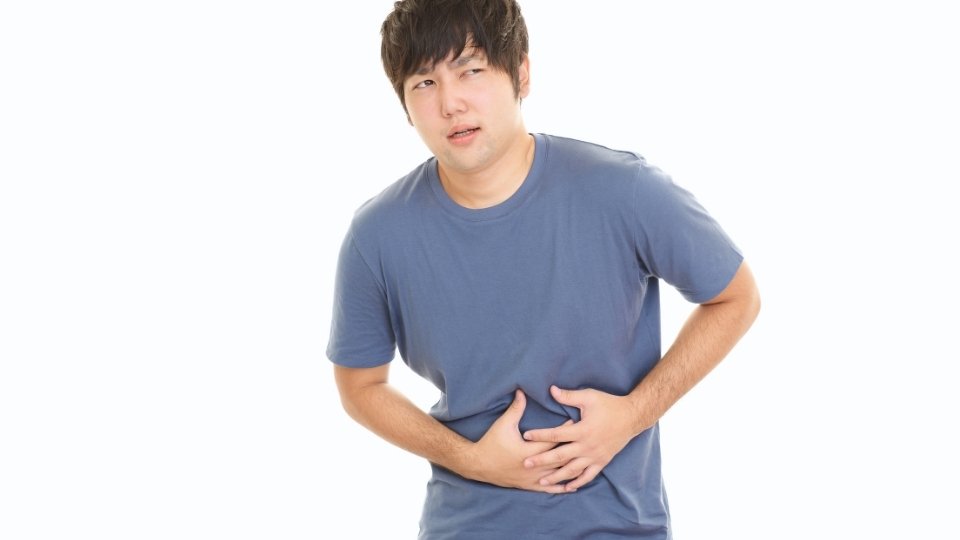
Medical sources, including the U.S. National Library of Medicine, describe a consistent cluster of poisoning symptoms: severe nausea and vomiting, stomach pain, fruity acetone breath, severe headache, sedation, and reduced level of consciousness. In serious cases, the person may experience seizures, respiratory failure, shock, or coma. Because rubbing alcohol irritates the digestive tract directly, vomiting blood or gastrointestinal bleeding is also a real risk.
How Much Is Dangerous?
There is no safe amount of rubbing alcohol to drink, and toxicity can occur with surprisingly small volumes. Medical sources note that potentially fatal adult doses are often cited in the range of about 200 to 250 milliliters of pure isopropyl alcohol, but the dangerous amount can vary by concentration, body size, co-ingestants, and how quickly the person receives treatment. Even much smaller amounts can require emergency hospital care.
Drinking Hand Sanitizer: A Related Risk
Drinking hand sanitizer carries similar dangers. Many alcohol-based hand sanitizers contain at least 60 percent alcohol, and some contain much higher concentrations of ethanol or isopropyl alcohol, making them as strong as or stronger than 120-proof liquor. People with alcohol use disorder sometimes drink sanitizer when they cannot get traditional alcohol, especially in institutional settings. The result can include alcohol poisoning, severe stomach irritation, dangerously low blood sugar, seizures, and coma.
Methanol Contamination Adds Another Layer of Danger
During the COVID-19 pandemic, the FDA warned consumers about numerous hand sanitizer products contaminated with methanol, also known as wood alcohol. The CDC documented 15 methanol poisoning cases in Arizona and New Mexico in 2020 linked to ingesting these products. Four of those people died, and three lost their eyesight. Methanol is more toxic than either ethanol or isopropanol and can cause permanent blindness, organ damage, and death.
When Drinking Rubbing Alcohol Signals Addiction
Accidental ingestions often involve young children and may be limited because the liquid tastes harsh. Intentional adult ingestion, however, is rarely about curiosity. It often points to alcohol use disorder, self-harm risk, or another serious health crisis. Long-term heavy drinking, especially of toxic substitutes, can also lead to permanent brain damage like alcoholic dementia and Wernicke-Korsakoff syndrome.
Warning Signs of Alcohol Use Disorder
Drinking rubbing alcohol or hand sanitizer can occur in advanced alcohol use disorder, when a person can no longer access or afford ethanol but still craves its effects. It can also signal self-harm risk or another acute mental health crisis. Reaching for non-beverage alcohol is one of the clearer red flags in the official criteria for alcohol use disorder.
Other warning signs include drinking alone at unusual times, inability to stop after one drink, withdrawal symptoms like tremors or sweating, hiding bottles, neglecting work and relationships, and turning to non-beverage alcohol like mouthwash, cooking wine, or cleaning products.
On the other end of the spectrum, dangerously high alcohol intake is also seen in trends like borg drinking, where people consume up to 17 shots from a single gallon jug.
How to Get Help
If you or someone you love has reached this point, recovery is possible with proper medical support. Severe alcohol withdrawal can be dangerous on its own, so detox should always be supervised by professionals. SAMHSA’s National Helpline is available 24/7 at 1-800-662-HELP (4357), and the 988 Suicide and Crisis Lifeline can help anyone in immediate emotional distress. If a loved one has reached the point of drinking household products, a professional drug and alcohol evaluation can clarify the level of care they need.
Visible signs of alcohol abuse, like bloodshot, yellow, or constantly dilated eyes, often appear long before someone reaches for non-beverage alcohol.
What to Do in an Emergency
If someone has swallowed rubbing alcohol or hand sanitizer, call 911 right away or contact Poison Control. Do not try to make them vomit, since that can cause additional damage to the throat and lungs. Do not give anything by mouth unless Poison Control or emergency responders tell you to, especially if the person is sleepy, confused, vomiting, or unconscious. Save the container so emergency responders know exactly what was consumed and how much.
Can You Drink Rubbing Alcohol? Frequently Asked Questions
Can a small sip of rubbing alcohol kill you?
A single accidental sip rarely causes severe harm in adults, though it can still cause irritation, vomiting, and stomach pain. Larger or repeated doses are extremely dangerous, and children are especially vulnerable. Any intentional ingestion warrants an immediate call to Poison Control or 911, regardless of the amount swallowed.
Why is isopropyl alcohol more toxic than regular alcohol?
Isopropyl alcohol is more intoxicating than ethanol and metabolizes into acetone. It can severely depress the central nervous system and irritate the digestive tract, sometimes causing vomiting, blood, or gastrointestinal bleeding. Unlike ethanol, isopropanol is not made for consumption and contains no safety oversight as a beverage.
Is drinking hand sanitizer the same as drinking liquor?
No. Hand sanitizer often contains higher alcohol concentrations than spirits, and certain imported or counterfeit products have been contaminated with toxic methanol. The CDC has documented deaths and permanent blindness linked to ingesting these products. Hand sanitizer should never be used as a beverage substitute.
If you or a loved one is struggling, take the first step and reach out to get help. Recovery starts small. Here’s what the first 30 days without alcohol typically look like. And here’s how the body and mind continue to heal at the 60-day mark.