
Does Rehab Show Up on a Background Check?

Does going to rehab show up on a background check? Learn what employment, housing, and licensing screenings actually review, how privacy laws protect treatment records, and when rehab information could be indirectly disclosed.
How to Incorporate Mindfulness Into Your Recovery Daily Routine

Mindfulness helps individuals slow down, notice emotional shifts, and respond intentionally—making it a powerful tool for reducing cravings, preventing relapse, and supporting long-term addiction recovery.
The Role of Dopamine in Opioid Dependence and Cravings
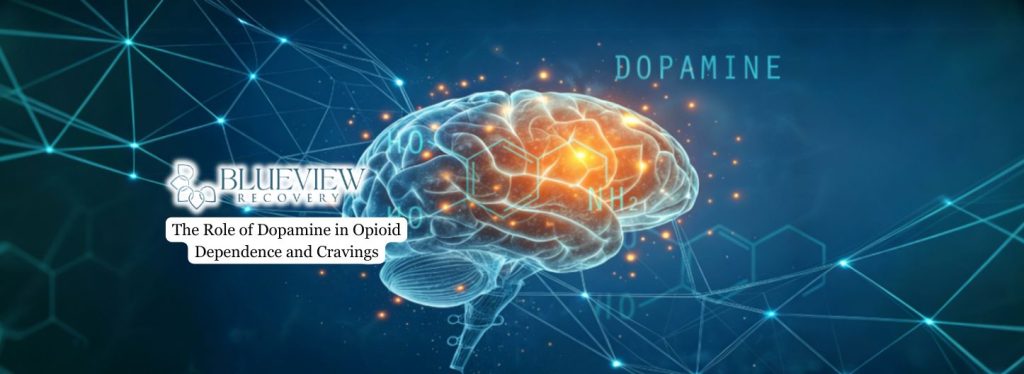
Dopamine plays a key role in opioid dependence by shaping reward pathways and cravings. This article explains how opioids alter dopamine activity, why urges form, and how treatment helps restore balance and support recovery.
Why Family Support Is Essential to Long-Term Recovery Success

Family support strengthens long-term recovery by creating stability, clear communication, and daily encouragement. A supportive home reduces triggers, builds confidence, and helps maintain progress after treatment.
How Substance Abuse Disrupts Family Relationships and Trust

Substance abuse gradually weakens family relationships through emotional distance, communication breakdowns, and lost trust. Recognizing these patterns helps households understand the impact and take steps toward healing and recovery.
How to Avoid Adderall Crash
An Adderall crash happens when stimulant effects fade, leading to low energy, mood changes, and difficulty focusing. Understanding why this occurs and recognizing early signs can help individuals manage symptoms and reduce the impact of a comedown.
Can You Mix Ritalin and Caffeine? What You Need to Know

Mixing Ritalin and caffeine creates a stronger stimulant effect that can increase heart rate, anxiety, and sleep disruption. Understanding how both substances affect the nervous system helps individuals make safer, informed decisions.
Halfway Houses Explained: What They Are and How They Work

Halfway houses provide a safe, structured environment for individuals transitioning from treatment to independent living. They support daily routines, strengthen recovery skills, and help residents build confidence as they prepare for long-term stability.
Ways to Give Back in Recovery: Finding Purpose Through Service

Giving back helps strengthen purpose, confidence, and emotional well-being in recovery. By supporting others through mentorship, volunteering, or daily acts of kindness, individuals build connection and reinforce the progress they’ve made.
The Pros and Cons of Telehealth for Addiction Recovery

Telehealth has become an essential part of addiction treatment, offering flexible, accessible support through virtual counseling, medication management, and recovery services. This guide explains its benefits, challenges, and when virtual or in-person rehab works best.