
The Power of Acting Early: How Intervention Saves Lives

Early intervention can stop substance use from escalating into crisis. This article explains why acting sooner matters, warning signs families shouldn’t ignore, and how timely, professional support improves safety and recovery outcomes.
How to Help Someone Addicted to Cocaine: A Guide for Families and Friends

This guide shows families and friends how to help someone addicted to cocaine with empathy, boundaries, and proven treatment options, from conversations and interventions to withdrawal support, aftercare planning, and protecting your own mental health while encouraging lasting recovery safely.
Why Benzodiazepine Withdrawal Can Cause Seizures
Benzodiazepine withdrawal can trigger seizures due to sudden loss of brain inhibition. Learn why seizures occur, what increases risk, and why medically supervised detox is critical for safe withdrawal and recovery.
Is Dilaudid Stronger Than Fentanyl?
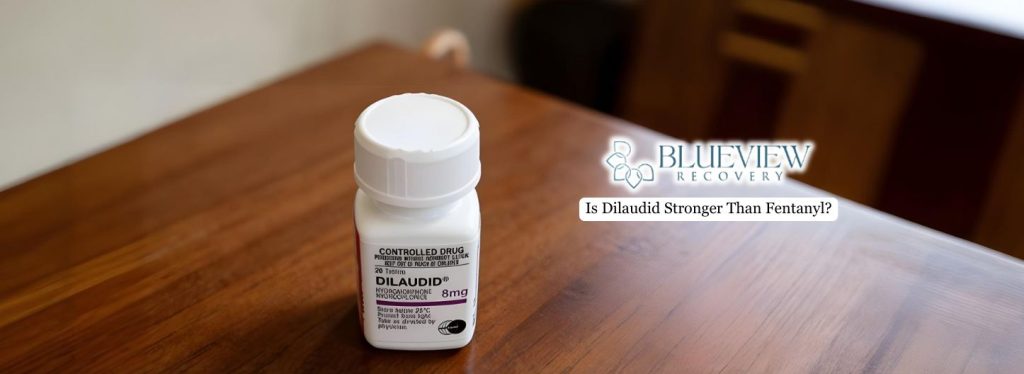
Fentanyl and Dilaudid are both powerful opioids, but fentanyl is far more potent. This article explains how opioid strength is measured, compares their medical uses and risks, and why understanding potency matters for safety and public health.
MAT and Alcoholism: How Medication‑Assisted Treatment Supports Recovery

Medication-assisted treatment (MAT) helps treat alcohol use disorder by reducing cravings, stabilizing brain chemistry, and lowering relapse risk. This article explains how MAT works, common medications, who may benefit, and its role in outpatient recovery.
The Dangers of Benzodiazepine Withdrawal: What Everyone Should Know
Benzodiazepine withdrawal can be medically dangerous without proper care. Learn why sudden stopping increases seizure risk, common withdrawal symptoms, who is most vulnerable, and why medical detox is essential for safety.
Why Stopping Alcohol Suddenly Can Be Dangerous
Abruptly stopping alcohol after long or heavy use can overwhelm the nervous system and trigger dangerous withdrawal symptoms. This article explains the risks of sudden cessation and why medical detox is critical for safety.
Is PHP for Addiction Treatment Covered by Insurance?

Partial Hospitalization Programs offer intensive addiction care without overnight stays. Insurance often covers PHP when medical necessity is documented, reducing financial burden for clients.
What Is Recovery Capital? Understanding the Resources That Support Sobriety

Recovery capital refers to the personal, social, and community resources that support long-term sobriety. Learn how housing, health, relationships, and access to care shape lasting recovery outcomes.
What Is Addiction Replacement? Understanding the Shift From One Addiction to Another

Addiction replacement is the shift from one substance or compulsive behavior to another source of relief or control during recovery. It happens because the brain still seeks to activate reward pathways. Early recognition, emotional regulation skills, and personalized therapy are key to prevention.