Powerful opioid pain medications are often compared using simplified terms like “stronger,” yet the reality involves potency, dosing, medical purpose, and risk. Dilaudid (hydromorphone) and fentanyl stand as two of the strongest opioids in medical pain management, but their comparative strength sparks critical questions amid the opioid crisis.
This article unpacks their potency differences, clinical uses, risks, and why understanding the gap matters for patients, providers, and public health.
Understanding What “Stronger” Means With Opioids
When people ask whether one opioid is stronger than another, they usually mean potency. This refers to how much of a drug is needed to produce a certain effect, not how dangerous it feels or how intense the experience seems. A highly potent opioid requires a very small dose to achieve pain relief or sedation.
Potency does not measure duration, safety, or medical usefulness. It also does not predict how a person will react. Two drugs may relieve pain effectively while carrying very different risks depending on dose, route of use, tolerance, and health status. Comparing opioids requires standardized measurements, usually morphine milligram equivalents (MME). These differences matter in medical settings, where dosing is tightly controlled. Outside those settings, potency becomes a major driver of overdose risk since tiny measurement errors can cause respiratory failure.
What Is Dilaudid and How Potent Is It?
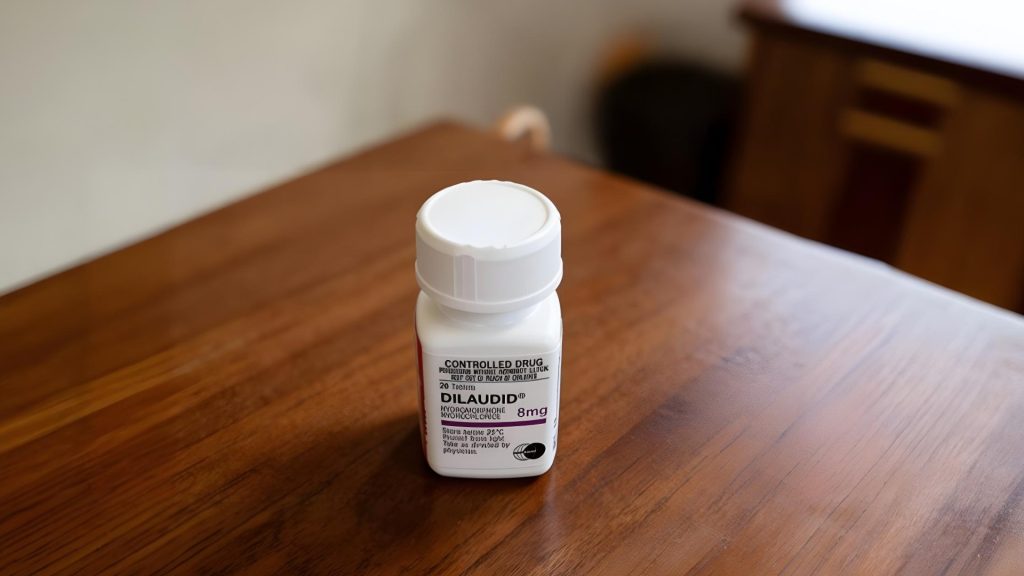
Dilaudid is the brand name for hydromorphone, a semi-synthetic opioid prescribed for moderate to severe pain. Hospitals often use it for post-surgical pain, trauma care, or cancer-related discomfort when other medications fail to provide relief. Hydromorphone acts quickly and binds strongly to opioid receptors in the brain and spinal cord.
In terms of potency, hydromorphone is roughly five to seven times stronger than morphine when measured in MME. This means a much smaller dose produces similar pain relief. That strength makes dosing precision critical. Small miscalculations can lead to slowed breathing, heavy sedation, or loss of consciousness. For this reason, medical teams monitor patients closely when administering this drug.
What Fentanyl Is and Why It Is Different
Fentanyl is a fully synthetic opioid developed for severe pain, anesthesia, and advanced cancer care. In medical settings, it appears as injections, lozenges, or transdermal patches designed to release medication gradually. Its chemical structure allows it to cross the blood-brain barrier very rapidly.
Fentanyl is estimated to be about 50 to 100 times stronger than morphine based on MME calculations. That level of potency places it far above hydromorphone. Microgram-level dosing can produce profound effects. Even slight variations in the amount can shift from pain relief to respiratory failure.
This narrow margin between effective and lethal doses explains why this drug requires strict handling and precise medical oversight. That’s why fentanyl addiction treatment demands specialized interventions like medication-assisted therapy with buprenorphine or methadone, alongside intensive counseling to counter this drug’s rapid dependence.
Comparing Dilaudid and Fentanyl Potency
When comparing potency alone, fentanyl is significantly stronger than Dilaudid. Hydromorphone requires milligram dosing. Fentanyl produces effects at microgram levels, which on standardized conversion charts rank among the most potent opioids used in medicine. Its extreme potency raises the risk of fatal outcomes when dosing errors occur or when it enters the illicit market without medical controls.

This does not mean Dilaudid is mild or low risk. Hydromorphone remains far stronger than many commonly prescribed pain medications. Both drugs depress breathing, slow the heart rate, and affect consciousness.
Strength comparisons also depend on the delivery method. Fentanyl patches deliver medication gradually, while injected forms reach the bloodstream almost immediately. Hydromorphone injections can still produce rapid onset effects despite lower potency.
Overdose Risk and Safety Concerns
Both opioids carry a high risk of overdose, especially outside a medical setting. Suppressed breathing remains the primary cause of opioid related deaths. Tolerance changes, mixing with alcohol or sedatives, and unpredictable dosing all raise danger.
Fentanyl is considered dangerous due to its potency and frequent appearance in illicit drug supplies. People often consume it unknowingly, believing they are using heroin or prescription pills. This lack of awareness removes any chance to adjust the dose, sharply raising fatality risk.
Dilaudid misuse also leads to serious harm. Crushing tablets or injecting liquid forms bypasses time-release mechanisms, flooding the bloodstream with opioids. Even people with previous exposure can misjudge the dose. Both substances demonstrate how potency magnifies risk rather than providing extra benefit.
Dependence, Tolerance, and Medical Use
Repeated exposure to opioids leads to tolerance and physical dependence. As the brain adapts to ongoing drug exposure, its ability to regulate pain and stress becomes less effective. This shift often necessitates higher doses to achieve the same effect, narrowing the gap between intended relief and medical risk.
Both medications still have a defined role in clinical pain management. Severe pain may require strong prescription analgesics when prescribed and monitored carefully. Risk rises when use continues beyond short-term medical need or occurs without close oversight. When use slows or stops under these conditions, withdrawal symptoms can emerge, including muscle pain, nausea, anxiety, sweating, and intense cravings.
When repeated use disrupts daily functioning, an effective opioid addiction treatment program addresses both physical stabilization and the behavioral patterns that sustain misuse. Medical detox can manage acute withdrawal symptoms, while outpatient or residential care focuses on relapse prevention, therapy, and longer-term health planning.
Final Thoughts from Blueview Recovery
Fentanyl is far stronger than Dilaudid when potency is measured using medical standards. Both opioids carry serious risks related to overdose, dependence, and withdrawal. Understanding the difference between strength and danger helps clarify why fentanyl has driven such a sharp rise in opioid related deaths.
At Blueview Recovery, we work with people affected by prescription and illicit drug use who need medically informed care. Our opioid addiction treatment program in Philadelphia, PA, focuses on stabilizing health, addressing physical dependence, and helping patients regain daily functioning through evidence-based care delivered by experienced clinical teams.