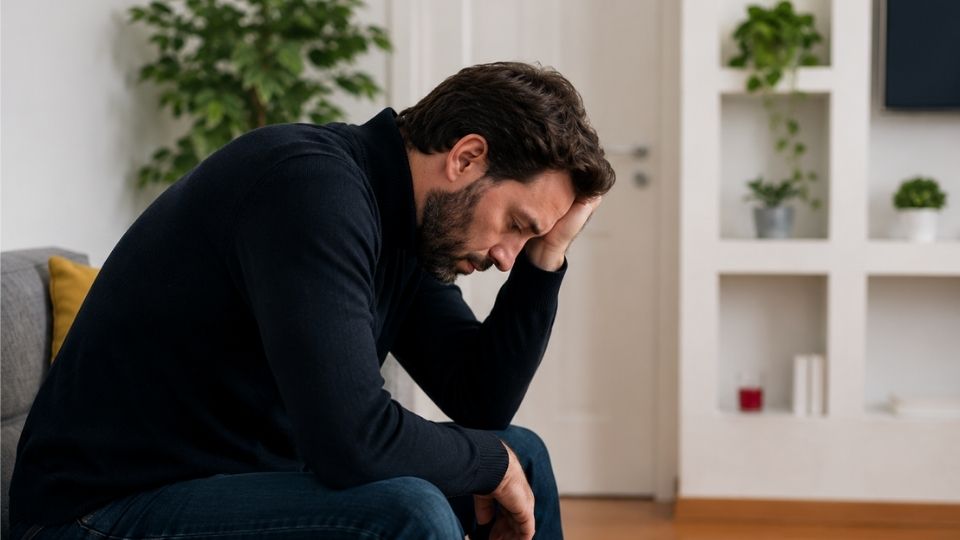
You feel it start in your hands. Your fingers tremble, your knees feel weak, and suddenly your whole body seems to vibrate from the inside out. Anxiety shaking can be alarming, especially when it happens in public or without an obvious cause. The good news is that this physical response is often your body’s natural reaction to stress, and there are evidence-informed techniques that may help calm it.
If shaking and other anxiety symptoms have become frequent enough to disrupt your life, especially when paired with substance use, professional care like dual diagnosis treatment can help you address the root causes. This guide on how to stop shaking from anxiety immediately explains why anxiety makes you shake and offers fast, evidence-based ways to regain control.
How to Stop Shaking from Anxiety Immediately
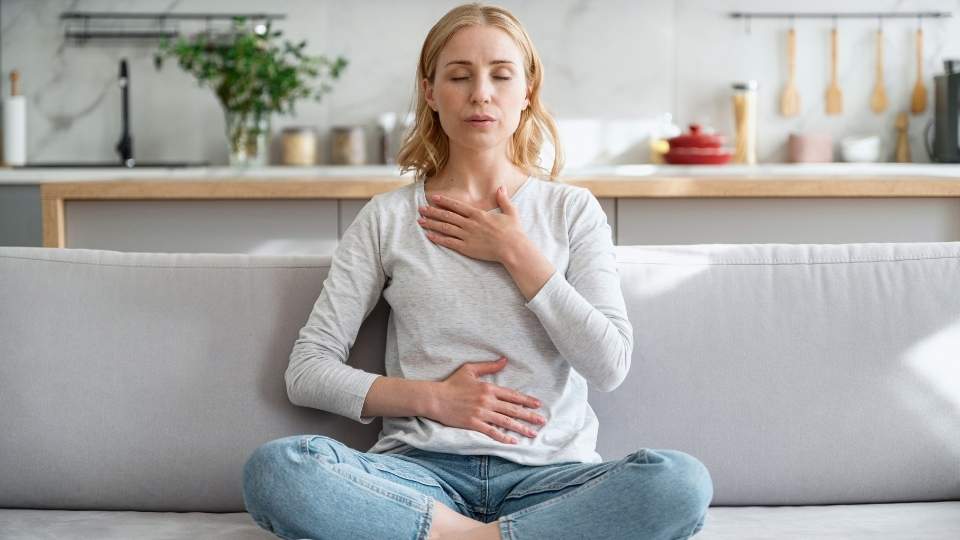
When the tremors hit, you need techniques that work fast. The following methods target your body’s stress response and may begin to calm your body within minutes.
Technique 1: Controlled Breathing
Slow, deep breathing signals your nervous system to shift out of fight-or-flight mode. Try box breathing if it feels comfortable. Inhale through your nose for four counts, hold briefly, exhale through your mouth for four, and pause briefly. Repeat this cycle four to six times. If holding your breath increases discomfort, simply breathe in gently and extend the exhale. Slow breathing helps regulate heart rate and may reduce shaking.
Technique 2: Progressive Muscle Relaxation
Anxiety locks tension into your muscles. Progressive muscle relaxation releases it. Starting with your feet, tense each muscle group for five seconds, then release. Move upward through your calves, thighs, abdomen, hands, arms, shoulders, and face. By the time you reach your head, your body may feel noticeably calmer, and the shaking may begin to subside.
Technique 3: Cold Water Reset
Cool sensations, such as splashing cool water on your face or holding a cold object, may help some people feel grounded. You can also place a cool compress on your wrists or the back of your neck. Use mild cold rather than sudden shock, and stop if it increases distress. This technique may be helpful when you need to interrupt a panic response quickly, but it does not work for everyone.
Technique 4: Grounding Through the Senses
Grounding pulls your attention out of anxious thoughts and into the present moment. The 5-4-3-2-1 method works well. Identify five things you can see, four you can touch, three you can hear, two you can smell, and one you can taste. This sensory inventory gives your brain something concrete to focus on, which may reduce the mental fuel feeding your shaking.
Technique 5: Movement and Discharge
Sometimes the best way to stop shaking is to let your body move. Take a brisk walk, do twenty jumping jacks, or shake your hands out vigorously for thirty seconds. Movement can help your body use stress-related energy, release muscle tension, and gradually settle the nervous system. Brief movement can provide a physical outlet for tension and help some people feel more settled.
Comparing Fast-Acting Techniques
Different techniques work better in different situations. The table below compares each method to help you choose what fits your moment.
| Technique | May Help Within | Best For | Privacy Needed |
|---|---|---|---|
| Controlled Breathing | 1 to 3 minutes | Any setting | None |
| Progressive Muscle Relaxation | 5 to 10 minutes | Home or quiet space | Some |
| Cold Water Reset | Under 1 minute | Bathroom or kitchen | Yes |
| Sensory Grounding | 2 to 5 minutes | Public or private | None |
| Movement and Discharge | 3 to 5 minutes | Outdoors or open space | Some |
You do not have to choose just one. Many people stack techniques, starting with breathing, adding grounding, and finishing with a short walk. Experiment to find your personal toolkit.
Why Does Anxiety Make Me Shake?

Shaking during anxiety is often part of your body’s stress response, but new, persistent, severe, or unexplained tremors should be discussed with a healthcare provider. When your brain perceives a threat, real or imagined, it activates the fight-or-flight response. Your adrenal glands release adrenaline and cortisol, your heart races, your muscles tense, and your body prepares for sudden action. The tremors you feel may come from a combination of adrenaline, muscle tension, rapid breathing, and nervous system arousal.
The Science Behind Anxiety Tremors
When adrenaline floods your system, your muscles may tense or tremble. If your body remains on high alert without a clear outlet, shaking can become more noticeable, often in the hands, legs, jaw, or voice. This response is healthy in real emergencies but distressing when triggered by everyday stressors like work deadlines, social situations, or intrusive thoughts.
Understanding this biology can be reassuring. Anxiety tremors are not a sign of weakness. They are often a stress-response symptom, though persistent or unusual tremors deserve medical attention. They are a signal that your body is asking for help releasing tension.
Anxiety Tremors Causes: Common Triggers
Several factors can intensify or prolong anxiety shaking. Identifying your personal triggers is the first step toward managing them effectively.
Common anxiety tremor causes include:
- Acute stress events such as public speaking, exams, or confrontations
- Generalized anxiety disorder or panic disorder
- Excessive caffeine, nicotine, or stimulant use
- Sleep deprivation and exhaustion
- Low blood sugar or dehydration
- Withdrawal from alcohol or other substances
- Unprocessed trauma or post-traumatic stress
- Chronic worry or rumination
- Hormonal changes or thyroid imbalances
Some triggers are situational and pass quickly. Others, like ongoing anxiety disorders or substance withdrawal, require deeper care. Because shaking can have medical or substance-related causes, new, worsening, or unexplained tremors should be evaluated. If you find yourself asking why does anxiety make me shake on a daily basis, it may be time to look at the bigger picture.
Drinking is a common way people try to take the edge off, but as we cover in alcohol and anxiety, it usually amplifies symptoms once the buzz wears off.
Physical Symptoms of Anxiety Attacks Beyond Shaking
Shaking is rarely the only physical symptom you experience during high anxiety. Recognizing the broader picture can help you respond with the right techniques and reassure you that what you are feeling is common.
Common physical symptoms of anxiety attacks include:
- Rapid or pounding heartbeat
- Shortness of breath or chest tightness
- Dizziness or lightheadedness
- Sweating, hot flashes, or chills
- Tingling or numbness in extremities
- Nausea or stomach discomfort
- Dry mouth or difficulty swallowing
- Muscle tension, especially in the jaw, neck, and shoulders
- Fatigue following the episode
When several of these symptoms appear suddenly and intensely, you may be experiencing a panic attack rather than general anxiety. The same fast techniques may apply, but the duration and intensity are usually greater. If symptoms are new, severe, or medically concerning, seek medical care. If a loved one is the one going through it, our step-by-step guide on how to help someone having a panic attack walks you through exactly what to do.
How to Stop Anxiety Shakes Long-Term
Fast techniques are essential in the moment, but lasting relief comes from addressing what feeds your anxiety in the first place. Long-term strategies build a more resilient nervous system over time.
Effective long-term approaches include consistent sleep, regular physical activity, balanced nutrition, and limited caffeine and alcohol. Mindfulness meditation and yoga have evidence for reducing anxiety symptoms for some people, which may also reduce anxiety-related shaking over time. Therapy, especially cognitive behavioral therapy, helps you identify thought patterns that fuel anxiety and replace them with healthier responses. For some people, medication prescribed by a qualified provider plays a valuable role.
Building a support system also matters. Talking openly with trusted friends or family reduces isolation and shame. If anxiety co-occurs with substance use, integrated treatment is often necessary because each condition tends to worsen the other. If your anxiety stays constant in the background while you continue to perform well, you may be experiencing high-functioning anxiety, which has its own pattern of signs worth knowing.
When to Seek Professional Help
Occasional anxiety shaking is part of being human. Persistent tremors, however, deserve professional attention. Consider reaching out to a mental health provider or healthcare professional if your shaking is new, unexplained, happens multiple times per week, interferes with work or relationships, leads you to avoid normal activities, or coexists with substance use.
Withdrawal from alcohol or benzodiazepines can also cause severe shaking, seizures, confusion, and other dangerous symptoms, and should never be managed alone. Medical detox is the safest path forward. If you suspect your anxiety and shaking are tied to substance use, integrated care can address both at once and significantly improve your chances of long-term wellness.
Knowing how to stop shaking from anxiety immediately is empowering, but you do not have to manage it alone. Whether the shaking is occasional or chronic, support is available. With the right techniques, lifestyle changes, and professional guidance when needed, you can calm your body, quiet your mind, and reclaim your sense of stability.
When anxiety and substance use feed into each other, you may be dealing with co-occurring disorders, which respond best to treatment that addresses both at once.
How to Stop Shaking From Anxiety: FAQs
Why does anxiety make my body shake uncontrollably?
Shaking happens when your nervous system releases adrenaline as part of the fight-or-flight response. Your muscles tense up to prepare for action, and excess energy comes out as trembling. It’s not a sign that something is medically wrong; it’s your body doing exactly what it evolved to do under perceived threat.
What’s the fastest way to stop shaking right now?
Try the physiological sigh: take two quick inhales through your nose, then one long exhale through your mouth. Repeat three to five times. This activates your parasympathetic nervous system within seconds. Pairing it with cold water on your face or wrists can speed up the calming response even further.
Does movement help or make the shaking worse?
Movement actually helps by burning off the adrenaline causing the tremors. Try 30 seconds of jumping jacks, a brisk walk, or shaking your hands out vigorously. It feels counterintuitive, but giving your body the physical release it’s preparing for tends to settle the nervous system faster than sitting still.