A glass of wine after a stressful day. A few beers to take the edge off. A cocktail to quiet the racing thoughts before a social event. For millions of people, alcohol feels like a reliable way to manage anxiety. The problem is that this short-term relief often comes at a steep long-term cost. Far from solving anxiety, alcohol can deepen it, creating a cycle that can be hard to recognize while you are inside it. The connection between alcohol and anxiety is well-documented in research, and understanding it is the first step toward breaking free.
If anxiety and drinking have started to feel inseparable in your life, integrated programs such as dual diagnosis treatment can address both at once. This article explains why alcohol fuels anxiety, what hangxiety is, and how to step out of the loop for good.
The Alcohol-Anxiety Connection
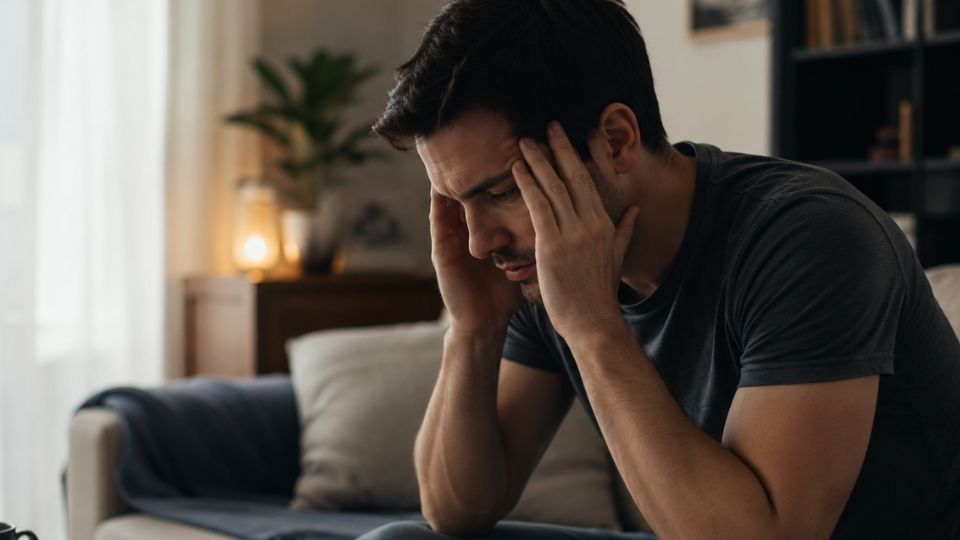
The alcohol anxiety connection is built into how alcohol affects the brain. Alcohol is a central nervous system depressant, which means it slows down brain activity and can produce feelings of calm and relaxation. It does this in part by enhancing the effects of GABA, a neurotransmitter that quiets the nervous system, while also reducing glutamate, which is excitatory. The combined effect is sedation, lowered inhibition, and a temporary sense of ease.
Why Alcohol Feels Calming at First
In the short term, alcohol can genuinely reduce anxiety for some people. This is why so many people reach for it in stressful moments. Social gatherings feel easier, racing thoughts slow down, and physical tension softens. The brain registers this relief and remembers it. The next time anxiety rises, the impulse to reach for a drink grows stronger.
This is the trap. The relief is real, but it is temporary, and what follows is often worse than the original anxiety.
Does Alcohol Cause Anxiety?
The question of whether alcohol causes anxiety has a nuanced answer. Alcohol may not be the only cause of an anxiety disorder, but it can worsen existing anxiety and can produce anxiety symptoms, especially during rebound or withdrawal. A 2024 systematic review found that the long-term effects of alcohol consumption on anxiety are still inconclusive, but there is limited evidence to suggest that lower alcohol consumption is associated with lower anxiety.
Short-Term vs. Long-Term Effects
Within hours of drinking, the brain begins working to restore balance. Because alcohol shifts the balance between calming and excitatory brain signals, the brain works to restore equilibrium as alcohol wears off. This rebound can leave the nervous system feeling overactivated. The result is a surge of anxiety symptoms that can last for hours or even days.
Over time, regular drinking can train the brain to operate in this hyperaroused state. People who drink heavily often experience baseline anxiety levels far higher than they would if they did not drink at all. What feels like a coping tool can become a generator of new or worsening anxiety.
What Is Hangxiety?
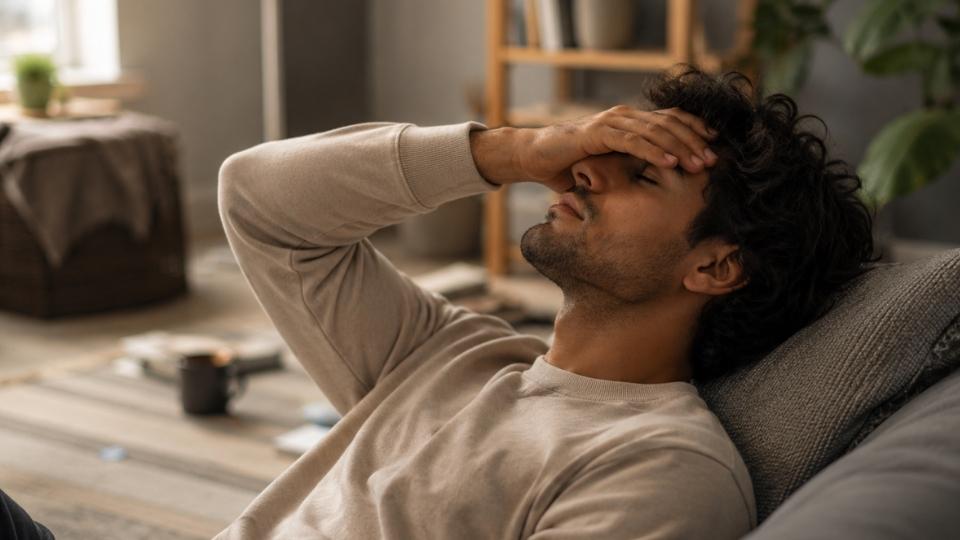
Hangxiety is a popular, nonclinical term for the anxiety that can follow a night of drinking. It refers to the wave of unease, dread, fear, and self-criticism that often arrives the morning after, sometimes lasting well into the next day or beyond.
Common hangxiety symptoms include:
- Racing thoughts and replaying the night before
- Heart palpitations or chest tightness
- A sense of dread or impending doom
- Excessive guilt and shame about your behavior
- Restlessness and inability to relax
- Sweating, trembling, or nausea
- Sensitivity to light, sound, and stimulation
- Difficulty concentrating or feeling foggy
- Worry that you said or did something wrong
- Trouble sleeping the next night
Hangxiety is not a personality flaw. It is a common result of how alcohol can disrupt brain chemistry, sleep, and stress regulation. The more you drink, the more pronounced it tends to become, and the cycle reinforces itself by making the next drink feel like the only solution.
Alcohol Induced Anxiety: How Drinking Worsens Existing Conditions
For people who already live with anxiety, alcohol tends to amplify what is already there. Alcohol induced anxiety can deepen generalized anxiety, intensify panic attacks, and make social anxiety feel impossible to manage without drinking. Someone who once experienced occasional worry may begin noticing more frequent anxiety after months or years of regular drinking.
This effect is especially strong because alcohol disrupts sleep. Even a few drinks can reduce REM sleep and fragment the deeper stages your brain needs to regulate emotion. Poor sleep is a major contributor to next-day anxiety, which means drinking creates a layered problem: chemical rebound plus exhaustion plus emotional vulnerability.
Can Alcohol Cause Anxiety Attacks?
Yes, alcohol can trigger anxiety attacks or panic-like symptoms, especially during withdrawal periods. As blood alcohol levels drop, the rebound effect can produce sudden surges of fear, a racing heart, and physical symptoms that resemble or meet the criteria for a panic attack. This is particularly common after heavy drinking sessions or in people who drink regularly.
For people who already have a history of panic attacks, alcohol can become a major trigger. The combination of dehydration, blood sugar fluctuations, sleep loss, and neurochemical rebound creates fertile ground for panic. Many people are surprised to learn that the panic attacks they thought were random may line up with drinking patterns. Withdrawal and rebound anxiety can also trigger panic episodes, which is why our step-by-step guide on how to help someone having a panic attack is worth bookmarking for loved ones.
The Cycle of Alcohol and Anxiety
Understanding the loop can help you see why willpower alone often is not enough. The cycle below shows how each stage feeds the next.
| Stage | What Happens | Why It Reinforces the Cycle |
|---|---|---|
| Anxiety arises | Stress, worry, or social discomfort builds | Brain seeks fast relief |
| Drinking begins | Alcohol enhances GABA and reduces glutamate | Anxiety eases, brain remembers the relief |
| Intoxication | Sense of calm or confidence | Reinforces alcohol as a solution |
| Alcohol wears off | Calming signals fade and excitatory activity rebounds | Rebound anxiety begins |
| Hangxiety | Anxiety, dread, and physical symptoms | Distress feels overwhelming |
| Coping urge returns | Brain craves relief again | Drinking restarts the cycle |
This loop can repeat daily, weekly, or in binges. Each rotation strengthens the brain’s association between anxiety and alcohol, making the pattern harder to break without intentional change.
Signs You May Be Stuck in the Cycle
Recognizing the cycle in your own life is essential. Many people drink for years before realizing how much their drinking is shaping their anxiety.
Signs that alcohol may be driving your anxiety include:
- Drinking specifically to calm nerves before social events
- Feeling more anxious in the days after drinking than before
- Waking up in the early morning with racing thoughts
- Needing alcohol to wind down at the end of the day
- Increased anxiety during sober days or stretches
- Panic attacks that occur during hangovers
- Drinking to avoid the anxiety of not drinking
- Believing you cannot handle stress without alcohol
These signs do not diagnose alcohol use disorder or an anxiety disorder, but they suggest your anxiety and your drinking may be intertwined more deeply than you realized.
How to Break the Cycle
Breaking the cycle is possible, but it takes more than just deciding to drink less. Because the loop involves brain chemistry, behavior, and emotion, change happens most effectively when all three are addressed together.
Cutting Back or Quitting
For some people, reducing alcohol intake is enough to see a significant improvement in anxiety. For others, especially those with heavy or daily drinking patterns, full sobriety brings the deepest relief. Be aware that abruptly stopping heavy drinking can cause dangerous withdrawal symptoms, including severe anxiety, seizures, and delirium tremens. If you drink daily or in large amounts, talk to a doctor before stopping. Medical detox provides a safe environment for this transition.
Many heavy drinkers describe themselves as outwardly fine but internally on edge, a pattern that aligns closely with high-functioning anxiety.
Building Healthier Coping Tools
The anxiety alcohol once managed may not disappear immediately when you stop drinking, even though many people feel better over time. It needs new outlets. Effective tools include regular exercise, mindfulness practices, breathing techniques, and consistent sleep. Therapy, especially cognitive behavioral therapy, helps you identify the thought patterns and triggers that drive both anxiety and drinking. Building a support network of friends, family, or peer groups creates accountability and reduces isolation.
Seeking Professional Support
If your anxiety and alcohol use feel intertwined, professional support can change everything. Therapists who specialize in co-occurring conditions understand that anxiety and alcohol use often need to be addressed together. They can help you build sustainable coping skills while addressing the underlying anxiety that may have driven your drinking in the first place.
When Anxiety and Alcohol Use Become a Co-Occurring Disorder
When anxiety and alcohol use disorder occur together, they meet the criteria for a co-occurring disorder, sometimes called dual diagnosis. Treating one without the other can leave people stuck in frustrating, repeating cycles. Treating them together can improve the chances of lasting recovery.
Integrated dual diagnosis programs combine evidence-based therapies for anxiety with substance use treatment in a coordinated plan. Medications, when appropriate, are prescribed by providers who understand how they interact with both conditions. Group therapy provides a community with others walking the same path. Lifestyle support helps rebuild the foundation of sleep, nutrition, and movement that anxiety and alcohol both erode.
When anxiety and alcohol use feed each other, the situation is called a co-occurring disorder, and alcohol’s effect on mental health doesn’t stop at anxiety, for the parallel link with low mood, see how alcohol and depression are connected.
A Calmer, Clearer Future Is Possible
If you have been using alcohol to manage anxiety, you are not weak, broken, or alone. You are responding the way millions of people respond to a chemical that can provide short-term relief. Recognizing the cycle is not a failure but a turning point. The same brain that learned to associate alcohol with relief can learn new patterns. The same nervous system that became hyperaroused can recalibrate over time.
With the right support, the anxiety that once felt unmanageable can become workable, the cravings can soften, and the version of you that emerges on the other side can experience a kind of calm that alcohol could only imitate. You deserve real relief, not borrowed time. That kind of recovery is within reach.
Alcohol and Anxiety FAQs
Why does alcohol seem to calm anxiety at first?
Alcohol boosts GABA, a neurotransmitter that slows brain activity, which produces that initial wave of relaxation and quieted thoughts. This effect feels like genuine relief, especially in social situations. The problem is that the calming response is short-lived, and your brain quickly compensates by pulling back its natural anxiety-regulating chemistry to restore balance.
What is “hangxiety” and why does it happen?
Hangxiety is the spike in anxiety that hits the morning after drinking. As alcohol leaves your system, glutamate rebounds above normal levels, leaving your nervous system over-activated. Add dehydration, poor sleep, low blood sugar, and gaps in your memory of the night before, and your brain enters a heightened state of worry.
How do I break the cycle without making anxiety worse?
Cutting back gradually is often gentler than quitting cold turkey, since sudden withdrawal can spike anxiety further. Replace drinking rituals with calming alternatives like sparkling water with lime, evening walks, or breathwork. If you drink heavily, talk to a doctor before stopping. Therapy and support groups address the anxiety that fueled the cycle.