When trying to protect yourself and your loved ones, a critical question is, “What does fentanyl look like?” The reason this question is so urgent is that fentanyl is a synthetic opioid, and its illicit version is a primary driver of opioid overdose deaths. Illegally made fentanyl is incredibly deceptive. It comes in many forms, including powder, counterfeit medicines, and liquids, making it one of the most dangerous substances in the landscape of illegal opioids.
This guide will help you identify the different forms, understand how fentanyl affects the body, and know what to do if you encounter it. You’ll also learn why our center at Blueview Recovery stands out with addiction recovery programs to help those who are struggling with addiction.
Key Points
- Multiple Forms: Fentanyl can be a powder, pressed into fake pills, sold in liquid form, or applied to a patch.
- Powdered Fentanyl: Illicit fentanyl powder often looks like other drugs. It can be white, tan, or made into brightly colored pills or powders.
- Counterfeit Pills: Dealers press fentanyl into fake pills made to look like prescription opioids. These carry a higher risk of a fatal drug overdose.
- Visual Identification is Unreliable: You cannot reliably identify fentanyl by sight. Just two milligrams can be a fatal dose.
- Risk of Overdose: Due to fentanyl’s potency, anyone taking fentanyl in an illicit form requires awareness of the severe overdose symptoms.
The Many Forms of Fentanyl
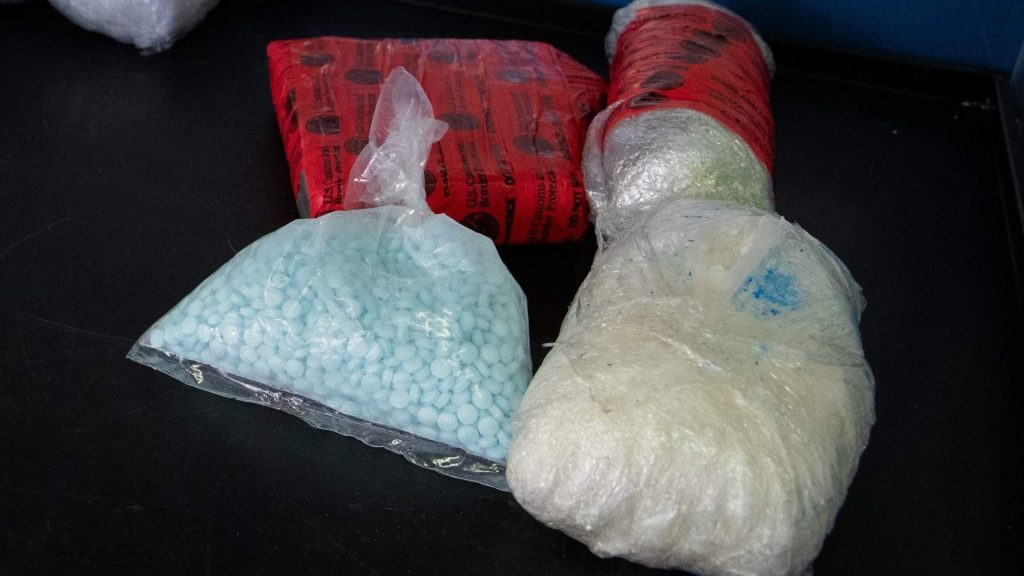
One of the greatest dangers of fentanyl is its chameleon-like ability to appear in many forms. This makes it easy for dealers to mix it into other drugs due to its low cost, often without the user’s knowledge. According to the Drug Enforcement Administration (DEA), this is a primary reason why this one drug is a major contributor to the overdose crisis.
Powdered Fentanyl
In its powdered form, fentanyl and its fentanyl analogues can be difficult to distinguish from other illicit drugs.
- Appearance: It typically looks like a fine powder. The color can range from bright white to tan.
- Texture: The texture is often fine and consistent, similar to cocaine or methamphetamine.
Counterfeit Pills and Illicit Drugs
This is one of the most deceptive forms of fentanyl.
- Appearance: These fake pills are manufactured to look identical to legitimate prescription medications, such as those used for severe pain.”Rainbow fentanyl” has also emerged in this category, sometimes resembling sidewalk chalk.
- The Danger: The DEA, through intensive testing, has found that nearly 6 out of 10 fake prescription pills contain lethal doses of fentanyl.
Liquid Fentanyl
While less common, liquid fentanyl is another form to be aware of.
- Appearance: It can be found in nasal sprays or eye drops and has also been found dropped onto small pieces of paper or candies.
- Risk: This liquid form is easily concealed and can be ingested or absorbed accidentally.
Fentanyl Appearance and Risks
| Form | Visual Description | Common Street Names | Primary Risk |
|---|---|---|---|
| Powder | White, tan, or colored powder. | “China White,” “Dance Fever” | Easily mixed into other drugs. |
| Pills | Look like real prescription pills. | “M30s,” “Fake Blues,” “Percs” | Deceptive appearance leads to accidental overdose. |
| Patches | Medicated adhesive skin patch. | N/A (diverted from prescription) | High potency, risk of overdose if misused. |
| Liquid | Clear liquid in spray bottles or vials. | N/A | Easily concealed and accidentally ingested. |
Why Visual Identification Is Not Enough

You cannot be certain if a substance contains fentanyl just by looking at it. Laboratory testing is the only way to be 100% sure. This is why harm reduction tools like fentanyl test strips are so vital. These strips are a critical tool in overdose prevention and a key part of public health drug policy.
Identifying Illicit vs. Pharmaceutical Fentanyl
| Characteristic | Illicitly Made Fentanyl | Pharmaceutical Fentanyl | How to Tell the Difference |
|---|---|---|---|
| Source | Clandestine labs, drug dealers. | A pharmacy with a valid prescription. | If it’s not from a pharmacy, it’s not safe. |
| Form | Powder, fake pills, liquid. | Patches for pain, lozenges, injections. | Form can be a clue, but dealers mimic real forms. |
| Quality Control | None. Potency varies wildly. | Regulated, precise dosage. | Illicit fentanyl has inconsistent, often lethal doses. |
| Color | Can be white, tan, or brightly colored. | Typically white or clear. | Rainbow fentanyl is a clear sign of an illicit product. |
The Dangers of Fentanyl Use
The primary danger of fentanyl is its potency. It binds powerfully to opioid receptors in the brain, the same receptors that control pain relief and emotions. This is how fentanyl affects your central nervous system, but it can also dangerously slow or stop normal breathing and lower your blood pressure. After prolonged use, the withdrawal symptoms can be severe, impacting both physical and mental health. An overdose requires immediate medical attention.
Why is Fentanyl Dangerous?
Fentanyl is dangerous because it is up to 100 times more potent than morphine, meaning a dose the size of a few grains of salt can be fatal. It rapidly suppresses breathing, leaving little time to respond. It is also widely mixed into counterfeit pills and other drugs, meaning users often consume it without knowing.
Signs of Fentanyl Overdose:
- Pinpoint pupils that are small and constricted
- Slowed, shallow, or stopped breathing
- Cold, clammy skin
- Blue or purple lips and nails
- Unresponsiveness or inability to keep the person awake
If you witness these signs, call 911 immediately and administer naloxone if available.
What Does Fentanyl Look Like? Frequently Asked Questions
What does rainbow fentanyl look like?
Rainbow fentanyl is illicitly manufactured fentanyl dyed in bright, vibrant colors including pink, blue, green, and purple. It appears as colorful powder, chunks, or pressed pills resembling candy or sweetarts. Public health officials have raised serious concerns that its appealing, candy-like appearance is deliberately designed to attract younger users, making it a particularly alarming development in the fentanyl crisis.
How can you tell if a pill is a counterfeit?
It is nearly impossible for the average person to distinguish a counterfeit pill from a legitimate one. Illicit manufacturers have become highly sophisticated at replicating the appearance, color, and markings of real prescription medications. The only genuinely safe medication is one obtained directly from a licensed pharmacy with a valid prescription. Never take any pill from an unverified source, regardless of how legitimate it appears.
Is one form of fentanyl more dangerous than another?
All forms of fentanyl are extremely dangerous, but illicitly manufactured fentanyl carries the highest risk. Unlike pharmaceutical fentanyl, which contains precisely measured doses, illicit fentanyl has no quality control, meaning potency varies wildly from batch to batch. Fentanyl analogs like carfentanil are exponentially more deadly. Any unregulated form of fentanyl should be considered potentially lethal, regardless of its appearance or claimed source.
Finding a Path to Recovery at Blueview Recovery
So, what does fentanyl look like? It looks like powder, pills, and liquids that are often indistinguishable from less potent drugs. Because its appearance is so varied, the only way to stay safe is to avoid all illegal drugs and only take medications prescribed by a health professional and dispensed by a pharmacy.
If you or someone you know is struggling with fentanyl use, know that compassionate and effective treatment is available. At Blueview Recovery, we provide structured outpatient care that allows you to address substance use while maintaining your daily life. Taking the first step requires medical attention and support.