You’ve just received your drug test results, and the word “positive” appears next to cocaine. Your heart sinks because you know you haven’t used cocaine, yet there it is in black and white. Before panic sets in, you should know that false-positive cocaine test results can happen, though they are rare.
Various substances can trigger unexpected results on urine drug screens. This article explains how drug testing can produce false-positive results, identifies what substances can cause these issues, and outlines steps you can take, whether you’re facing workplace testing or undergoing cocaine addiction treatment.
Quick Takeaways
- False-positive cocaine test results are rare on immunoassay screens, with most medications not causing cross-reactivity with cocaine metabolite testing.
- Coca tea and products derived from the coca plant can cause positive cocaine test results even without illicit drug use.
- Confirmatory testing using gas chromatography-mass spectrometry (GC-MS) is required to verify unexpected positive results and distinguish between actual cocaine use and other substances.
How Drug Testing Produces False-Positive Results
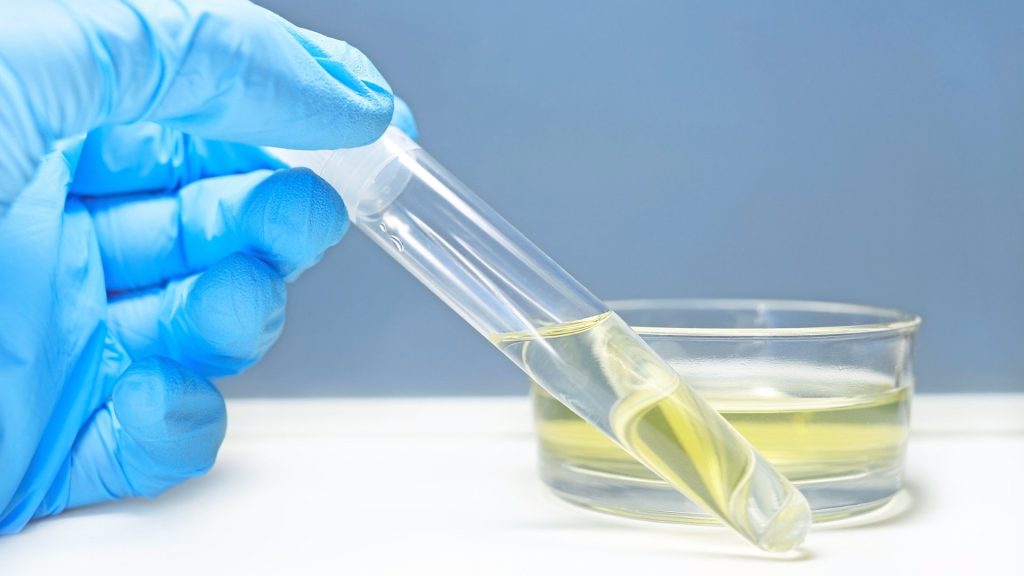
Drug testing relies on initial screening methods that prioritize speed and cost-effectiveness over precision. When you provide urine specimens for testing, the sample first undergoes an immunoassay drug test designed to detect cocaine metabolites.
Immunoassay Drug Tests and Cross Reactivity
The science behind false positives centers on cross-reactivity, where antibodies in immunoassay tests could theoretically mistake structurally similar compounds for cocaine metabolites. However, cocaine tests are generally more specific than tests for other drugs because they detect benzoylecgonine, a unique metabolite. While immunoassay testing offers high sensitivity for detecting actual drug use, cross-reactivity with common medications remains uncommon.
False positives can occur with immunoassay screens, though rates for cocaine specifically are lower than for other drug classes. That’s why confirmatory testing using gas chromatography-mass spectrometry (GC-MS) is the gold standard. The GC-MS method separates compounds at the molecular level for accurate results.
What Might Cause a False-Positive Cocaine Test
Some substances you encounter can produce positive cocaine test results, and knowing which ones helps you prepare for testing situations. Creating documentation of everything you take becomes essential for advocating for yourself when unexpected results appear.
Prescription Drugs That Cause False-Positive Cocaine Test Results
False positives for cocaine on immunoassay screens are rare compared to other drug classes. While local anesthetics like lidocaine have been mentioned anecdotally in older literature, modern cocaine immunoassays are designed to detect benzoylecgonine specifically, making cross-reactivity with prescription medications uncommon. Confirmatory testing is always needed before assuming cocaine use based on screening results alone.
Over-the-Counter Medications and Other Substances
You might not think twice about drinking coca tea purchased legally online, but products derived from the coca plant can cause a positive cocaine metabolite test even without illicit use. Dietary supplements containing coca leaf extract marketed for energy or weight loss products with undisclosed ingredients, may also trigger unexpected results. Passive inhalation of cocaine smoke rarely causes positive drug testing in real-world scenarios.
False Negatives and Test Accuracy
Cocaine metabolites are typically detectable in urine for one to three days after use. Testing outside this window, along with factors like urine dilution and individual metabolism, can lead to false-negative results.
What to Do When You Receive Positive Cocaine Results

Receiving unexpected positive cocaine results can feel overwhelming, particularly if your job, custody arrangement, or legal situation depends on clean testing. Your immediate action steps include:
- Request confirmatory testing using gas chromatography-mass spectrometry (GC-MS) to verify results.
- Document all prescription medications, over-the-counter medications, vitamins, and supplements you take.
- Provide your complete medication list to the Medical Review Officer (MRO) if workplace testing is involved.
- Work with your attorney to ensure proper procedures in legal testing situations.
Most legitimate testing facilities perform confirmatory testing on positive screens automatically or upon request. Negative mass spectrometry results following an initial positive screen outweigh the immunoassay screening and clear any concerns.
Frequently Asked Questions About False-Positive Cocaine Test Results
Can medications cause a false-positive cocaine test?
False-positive cocaine results are uncommon but possible during initial immunoassay screening tests. Cocaine tests are generally specific because they detect benzoylecgonine, a cocaine metabolite. Most medications do not cause false positives, which is why confirmatory testing with GC-MS or LC-MS/MS is required when results are unexpected.
Can amoxicillin cause a false positive for cocaine?
Amoxicillin is not known to cause false-positive cocaine test results. There is no reliable evidence showing that amoxicillin or most common antibiotics interfere with cocaine metabolite testing. If a screening test is positive while taking medications, confirmatory testing can accurately determine whether cocaine metabolites are truly present.
What can cause a false-negative cocaine test?
False negative results occur when urine dilution, test timing relative to drug use, or individual metabolism prevents detection of cocaine metabolites. Drinking excessive fluids before urine drug testing, testing too early or too late after cocaine use, or having a faster-than-average metabolism can all produce false negative cocaine tests despite actual drug use.
Finding Support for Cocaine Use and Recovery
For those dealing with positive results, the path forward involves documentation, confirmatory testing, and clear communication with providers. These unexpected results cause understandable stress, but they’re technical issues with straightforward solutions. However, if you’re genuinely concerned about cocaine use or other substances, a different kind of support becomes important.
Recovery from cocaine addiction requires structured care that addresses the underlying factors driving drug use. Outpatient treatment programs offer evidence-based support while allowing you to maintain daily responsibilities with work, family, and other commitments. These programs recognize that recovery happens in the context of real life, with all its demands that can’t be put on hold.
Blueview Recovery provides comprehensive cocaine addiction treatment in King of Prussia, Pennsylvania, serving individuals throughout the Philadelphia area with PHP, IOP, and OP programs. Our team delivers structured, trauma-informed care that rebuilds strength and restores purpose while fitting around your responsibilities. Contact Blueview Recovery today to learn how outpatient treatment can support your journey toward stability and long-term wellness.