The weight of addiction often feels like a heavy anchor, especially when you’re trying to balance the demands of your daily life. You might find yourself stuck between the need for intensive support and the reality of a career or family that can’t be put on hold. A virtual IOP offers a middle ground where you can receive high-level clinical care without leaving the comfort of your own home.
In this article, you’ll discover how digital platforms are expanding access to life-saving treatment and providing more support than ever before. We’ll explore the flexibility of online schedules and the specific evidence-based therapies that make this model effective. By the end, you’ll see how a virtual intensive outpatient program can fit seamlessly into your recovery journey while keeping your privacy intact.
Quick Takeaways
- Balance your daily responsibilities like work and family while receiving high-level clinical support.
- Access specialized providers and expert guidance without the need for a long commute.
- Experience therapy from the privacy and comfort of your own home to reduce stress and stigma.
- Maintain consistency in your recovery journey with a structured program that fits your lifestyle.
The Evolution Of Modern Recovery

The landscape of addiction treatment has shifted dramatically over the last several years. While inpatient treatment was once considered the only path to sobriety, telehealth rehab has proven that healing can happen anywhere. This shift ensures that your mental health journey is no longer restricted by your zip code or your ability to commute to a physical clinic.
Recent research from the National Institute on Drug Abuse suggests that telehealth may improve access to addiction care and support retention in treatment (especially for opioid use disorder) by reducing barriers like transportation and scheduling challenges. When you eliminate the logistical hurdles of transportation, you’re much more likely to stay consistent with your treatment plan. This evolution in healthcare delivery reflects a growing respect for the autonomy of the individual seeking help.
Digital tools allow for a comprehensive treatment program that mirrors the intensity of in-person care. You receive the same expert guidance and structured support that you’d find in a brick-and-mortar facility. Because the technology has matured, these virtual programs now provide a seamless way to connect with a community of peers and professionals.
Why Virtual IOP Programs Are Growing In Popularity
One of the primary drivers behind the rise of virtual treatment is the closing of access gaps. If you live in rural areas, you may have faced limited access to specialized mental health care in the past. Virtual platforms remove these barriers by bringing experienced therapists directly to your laptop or tablet.
Healthcare delivery is changing to meet you where you are. Insurance coverage for telehealth expanded substantially during the pandemic, and many plans continue to cover virtual behavioral health services, though benefits and eligibility vary by insurer and state. The table below illustrates how virtual care compares to traditional methods in terms of accessibility and reach.
| Feature | Virtual IOP | Traditional In-Person IOP |
| Travel Requirements | Zero commute time | Requires daily transportation |
| Geographic Reach | Broader reach (subject to state licensing) | Limited to a local area |
| Schedule Flexibility | High (Evenings/Weekends) | Moderate (Fixed office hours) |
| Setting | Familiar and safe environment | Clinical facility |
This comparison highlights why so many people are choosing the digital route. It isn’t just about convenience; it’s about creating a sustainable environment for long-term well-being. By choosing a model that fits your lifestyle, you reduce the friction that often leads to early treatment discontinuation.
Flexibility Without Losing Structure
The beauty of a virtual intensive outpatient program is the ability to manage work and family commitments while prioritizing your sobriety. You don’t have to choose between keeping your job and attending the therapy sessions that save your life. This balance allows you to apply the coping skills you learn in real time within your actual home environment.
Structure remains the backbone of any successful recovery journey. Even though you’re at home, you still participate in a rigorous schedule of individual counseling and group sessions. This consistency provides the intensive support necessary to navigate the early stages of quitting a substance.
Privacy And Comfort In Virtual Addiction Treatment
For many, the stigma of entering a physical rehab center can be a significant barrier to seeking help. Choosing virtual treatment allows you to maintain a level of privacy that in-person care sometimes lacks. You can engage in deep emotional work from your own space, which often leads to more honest breakthroughs.
When you’re in a familiar and safe environment, your nervous system is naturally more relaxed. This sense of security allows you to focus entirely on the root causes of your addiction. You might find it easier to participate in family therapy when everyone is in a comfortable, neutral setting.
Clinicians often find that virtual settings encourage more consistent participation. The following points highlight how remote care creates a safer psychological space for many individuals:
- Virtual care reduces the fear of being seen by neighbors or colleagues at a local clinic.
- Using HIPAA-compliant platforms safeguards your sensitive data and ensures conversations remain private.
- Many participants feel safer discussing self-harm or deep trauma from the sanctuary of their own homes.
These privacy benefits foster a sense of dignity throughout the healing process. You’re in control of your surroundings, which empowers you to take ownership of your recovery. Being able to close your laptop after a session and immediately be with your family can provide instant comfort.
Improved Access To Specialized Providers
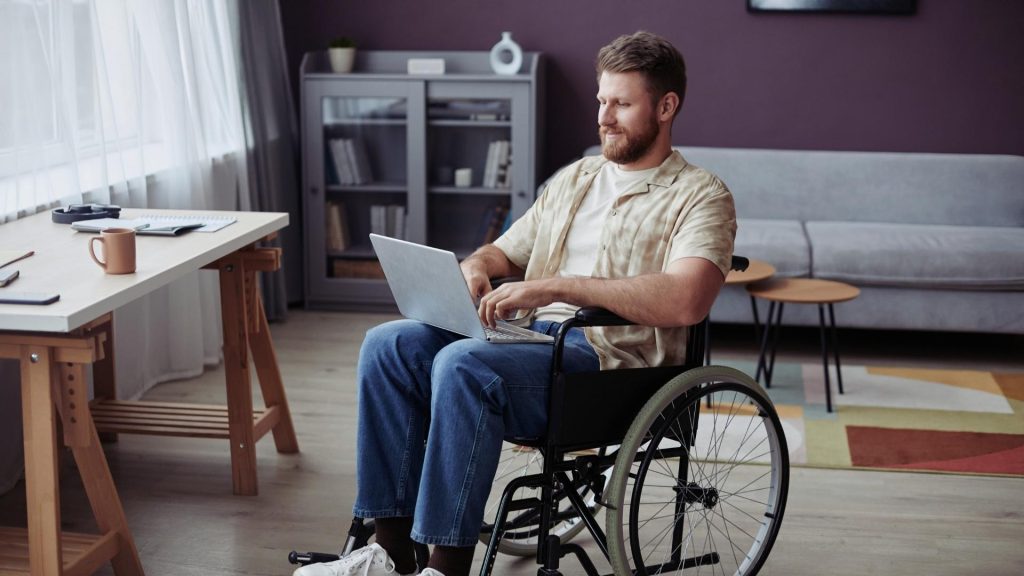
Finding a therapist who understands your specific mental health disorder can be difficult in a small town. Virtual programs connect you with a diverse pool of experts who are trained in evidence-based therapies. Whether you need dialectical behavior therapy or trauma-informed care, the right specialist is just a click away.
Continuity of care is much easier to maintain through a digital medium. If you have to travel for work or move to a new city, your treatment plan stays with you. This stability prevents the setbacks that often occur when you have to start over with a new provider.
Removing the barrier of distance opens up a wide range of clinical resources that were once out of reach. These specific advantages help ensure you receive the most relevant care for your situation:
- You gain access to therapists who specialize in co-occurring mental health issues.
- Group therapy sessions can include people from diverse backgrounds, offering a broader perspective on recovery.
- Specialized workshops on emotional regulation and relapse prevention are more readily available.
Having the right team behind you is essential for making meaningful progress. When you’re matched with a provider who truly understands your history, the therapeutic alliance becomes much stronger. This expert guidance is a cornerstone of a successful virtual experience.
Are Virtual IOP Programs Effective?
Many people wonder whether an online format can deliver the same results as in-person therapy. Multiple studies and reviews have found that telehealth-based substance use treatment can achieve outcomes comparable to in-person care for many patients, especially when evidence-based practices and consistent engagement are in place.
In a virtual setting, you still participate in the same core components of intensive treatment. Group therapy remains a powerful tool for peer support and breaking the cycle of isolation. You also receive the individual attention needed to work through personal challenges and develop healthy habits.
The efficacy of these programs often depends on participant engagement. Because the virtual model is so convenient, many people find it easier to attend every session. High attendance rates naturally lead to better long-term outcomes and a more resilient recovery.
Navigating Your New Horizon: Bridging The Gap To Lasting Sobriety
Choosing a virtual IOP is a proactive step toward reclaiming your life while honoring your existing responsibilities. This model provides the high-quality care you need without requiring you to leave the people you love. You can find the support, tools, and community necessary to reach your recovery goals on your own terms.
If you’re ready to take the next step in your healing journey, the team at Blueview Recovery is here to help you design a path forward. Our virtual programs offer the expert guidance and personalized care you deserve in a format that fits your busy life. Visit our contact page today to learn more about how we can support your transformation.