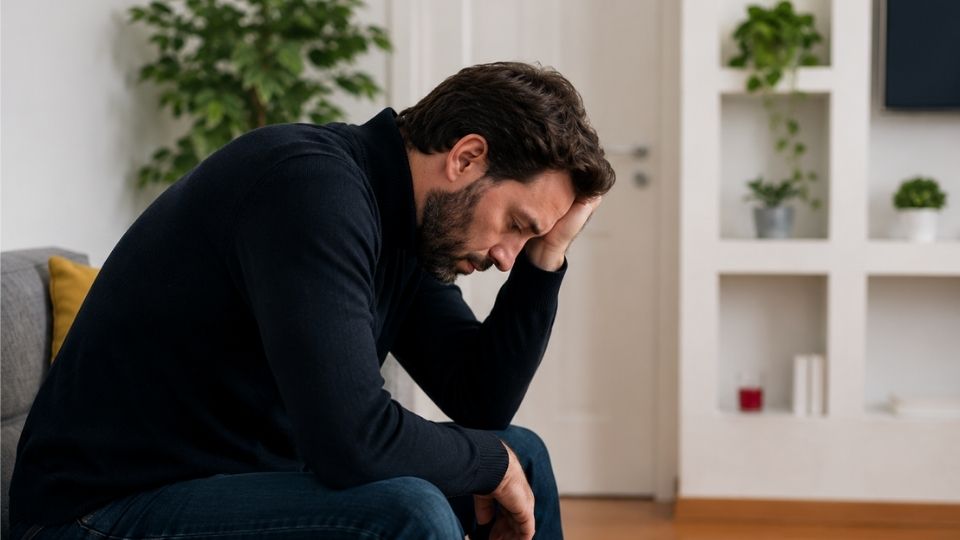
You’ve been thinking about it for weeks, maybe months: quitting cocaine. The idea feels manageable, private, something you can handle on your own without the disruption of formal treatment. But the reality of overcoming cocaine addiction without rehab is far more complicated than willpower alone, and understanding why matters for your safety and success.
This article explores the serious risks of attempting self-managed recovery, what happens during withdrawal, and how cocaine addiction treatment can dramatically improve your chances of lasting change.
Quick Takeaways
- Long-term cocaine abstinence without support is difficult, and relapse is common, especially in the first weeks and months when cravings and mood symptoms can be intense.
- Self-managed recovery lacks the behavioral therapies and medical oversight needed to address cardiovascular risks, severe depression, and dangerous relapse patterns.
- Outpatient treatment programs offer evidence-based support while allowing you to maintain work and family commitments during your recovery journey.
Can You Quit Cocaine on Your Own? The Reality of Self-Managed Recovery

While some people do quit cocaine on their own, the success rate is significantly lower compared to those who enter treatment. Cocaine produces powerful changes in your brain’s reward system by flooding it with dopamine levels far beyond what occurs naturally. Over time, your brain adjusts to this surge, creating a stimulant use disorder where intense cravings feel impossible to ignore. According to the National Institute on Drug Abuse, cocaine’s behavior-reinforcing abilities are among the most powerful of any substance, making relapse rates particularly high without structured support.
Why Cocaine Addiction Makes Self-Quitting Difficult
The cocaine habit you’ve developed isn’t just about physical dependence. Cocaine abuse has become woven into your daily patterns and stress responses. The reinforcing stimuli in your environment trigger cravings you might not see coming. A certain street corner or feeling stressed can activate the part of your brain that associates these moments with drug use.
Common Cocaine Withdrawal Symptoms
When you stop using cocaine, your body and mind go through a difficult adjustment period. Going cold turkey often triggers overwhelming symptoms that lead many to relapse. Cocaine withdrawal symptoms include:
- Depression and anhedonia (inability to feel pleasure)
- Severe fatigue and increased need for sleep
- Intense cravings for more cocaine
- Anxiety, irritability, and mood swings
- Difficulty concentrating or experiencing mental fog
- Increased appetite
- Vivid, unpleasant dreams
Symptoms can begin soon after stopping. The most intense ‘crash’ phase often lasts days, while cravings and mood symptoms may come and go for weeks or longer. Without support from a medical team, these psychological symptoms become the primary reason people return to using cocaine.
The Risks of Quitting Cocaine Without Treatment
Attempting to quit alone carries genuine dangers that extend beyond discomfort. The risks of quitting cocaine without treatment include both immediate health concerns and long-term recovery challenges.
Physical and Mental Health Dangers
Cocaine withdrawal symptoms primarily affect your mental health and can be severe enough to require medical intervention. For some people, depression involves suicidal ideation that requires immediate attention from healthcare professionals. Mental health and physical risks include:
- Severe depression with potential suicidal thoughts
- Overwhelming anxiety and panic attacks
- Cardiovascular complications, including increased heart attack risk
- Dangerous interactions when cocaine abuse involves other substances
- Sleep disturbances that worsen mental health symptoms
The effects of cocaine on your cardiovascular system don’t simply disappear when you quit. A study in Circulation found that cocaine use significantly increases cardiovascular risk. Managing symptoms without medical oversight means you’re navigating complex health challenges alone.
Relapse Risk and Its Consequences
Relapse can be dangerous because people may return to prior patterns (or binge use), underestimate changes in tolerance, or encounter unpredictable potency/contamination, all of which can raise overdose risk.
The cycle of quitting cocaine and relapsing creates its own problems. Each attempt that ends in ongoing use can deepen feelings of shame and hopelessness. What started as cocaine addiction becomes complicated by the psychological toll of repeated failed attempts.
Missing Critical Support and Structure
Quitting cocaine requires more than just deciding not to use. Professional treatment provides behavioral therapies that help you identify triggers and develop healthy coping skills. Without this structure, you’re learning to navigate recovery through trial and error.
Your support system matters in maintaining long-term recovery. Support groups like Narcotics Anonymous connect you with people who comprehend what you’re experiencing. When intense cravings hit at 2 AM, having a recovery plan that includes structured check-ins can make the difference between staying clean and returning to drug use.
Cocaine Addiction Treatment Options That Work

Effective cocaine addiction treatment exists and doesn’t necessarily mean disrupting your entire life. Evidence-based substance abuse treatment offers flexibility while maintaining the structure needed for lasting recovery.
Outpatient Treatment Programs for Flexibility
Outpatient treatment for cocaine addiction allows you to attend therapy sessions while continuing to live at home and maintain your job. Outpatient care provides professional support without requiring you to step away from daily responsibilities. Outpatient treatment programs typically include:
- Individual counseling to address personal triggers
- Group therapy for peer support
- Cognitive Behavioral Therapy (CBT)
- Relapse prevention planning
- Skills development for managing cocaine cravings
The flexibility provided by outpatient programs means you can practice new coping skills in real time and bring challenges from your daily life directly into therapy sessions.
When Inpatient Treatment May Be Needed
For some people, inpatient treatment provides the level of support they need. Inpatient care offers 24/7 medical supervision and complete separation from the environment where drug abuse occurred. This level of structure can be essential if you’re dealing with co-occurring mental health disorders or lack a safe living situation.
Frequently Asked Questions About Quitting Cocaine Without Rehab
Is it safe to stop taking cocaine?
Stopping cocaine is medically safer than continuing use, but quitting cocaine cold turkey without professional support carries significant risks. Severe depression, suicidal thoughts, and cardiovascular complications can emerge during withdrawal. Professional treatment provides medical monitoring and behavioral therapies to manage these dangers and reduce relapse risk effectively.
What are the side effects of stopping cocaine?
The side effects of stopping cocaine include severe fatigue, depression, anxiety, intense cravings, irritability, and increased appetite. These cocaine withdrawal symptoms typically begin within hours of last use and can persist for weeks or months. Professional cocaine addiction treatment helps you manage these symptoms safely while developing healthy coping skills.
What is cocaine washout syndrome?
Cocaine washout syndrome describes the acute withdrawal period when cocaine leaves your system, typically lasting several days to weeks. Symptoms include extreme fatigue, depression, anhedonia, and powerful cravings for more cocaine. This challenging phase often leads to relapse without professional support and structured treatment to manage symptoms effectively.
Building a Life Beyond Cocaine Starts With the Right Support
Quitting cocaine without treatment is possible, but the risks are real, and success rates are low. Seeking professional help is a strategic choice that dramatically improves your chances of lasting recovery. Structured support provides the tools and medical oversight that make the difference between temporary abstinence and genuine transformation. Blueview Recovery offers comprehensive outpatient programs designed for adults who need structured care while maintaining daily responsibilities. Our evidence-based treatment includes individual therapy and group support in a community-centered environment serving the greater Philadelphia area. Reach out to us via our contact page to learn more about how our PHP, IOP, and OP programs can support your path to lasting recovery.