Recovery is more than staying substance-free, as it’s also about rebuilding a meaningful life. One powerful way to do this is by giving back. Purposeful action helps strengthen motivation, improve emotional well-being, and create a sense of belonging. Helping others can also reinforce the progress that has already been made.
In this article, you will learn why giving back matters in recovery and explore different ways to contribute meaningfully to others while continuing personal growth.
Why Giving Back Matters in Recovery
Purpose plays a vital role in maintaining sobriety. When someone feels useful and valued, motivation increases, and daily routines provide stability and discipline. Contributing to others provides a clear reason to stay committed, especially during difficult moments. Many individuals undergoing outpatient treatment programs also find that giving back reinforces what they learn in therapy sessions. Instead of dwelling on mistakes, individuals can focus on positive actions that benefit others, which helps reduce self-criticism and strengthen confidence.
Connection is another key factor. Recovery can feel lonely, especially when relationships have been strained. Giving back brings people into meaningful contact with others who appreciate their efforts. Whether through community volunteering, peer mentorship, or creative contributions, consistent engagement helps reduce isolation and builds a stronger sense of belonging. Feeling part of something larger reinforces motivation and creates a supportive network that encourages continued progress. If you are interested, learn more about our alumni program.
Peer Mentorship and Encouragement
One of the most impactful ways to give back is to help others who are also working toward sobriety. Shared experience creates trust, understanding, and empathy that cannot be replicated through textbooks alone. Someone who has walked the same path can offer genuine, relatable insight and encouragement. Listening to someone who is struggling, sharing personal stories during meetings, and checking in with individuals new to recovery all contribute to meaningful connections that strengthen well-being.
These interactions help both parties. The mentor gains confidence and reinforces their own commitment, while the individual receiving guidance feels understood and less alone. Accountability increases as well. When someone knows others look up to them, staying on track becomes more important. Participation in recovery meetings also plays a role, as speaking up during discussions encourages others to stay engaged and reminds individuals of their progress. Even small contributions, such as greeting newcomers or helping set up the space, create an encouraging atmosphere that benefits the entire group.
Community Volunteering
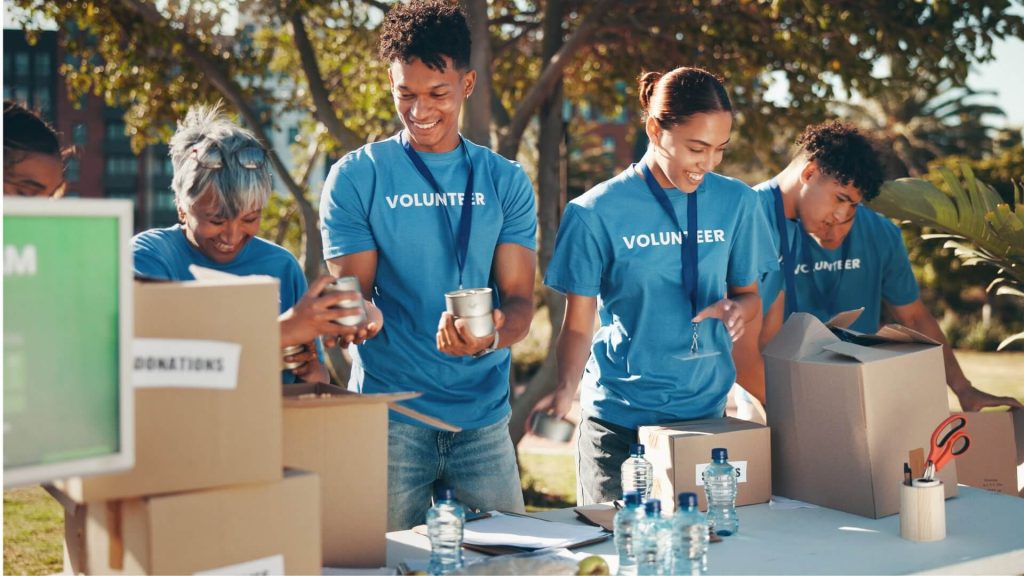
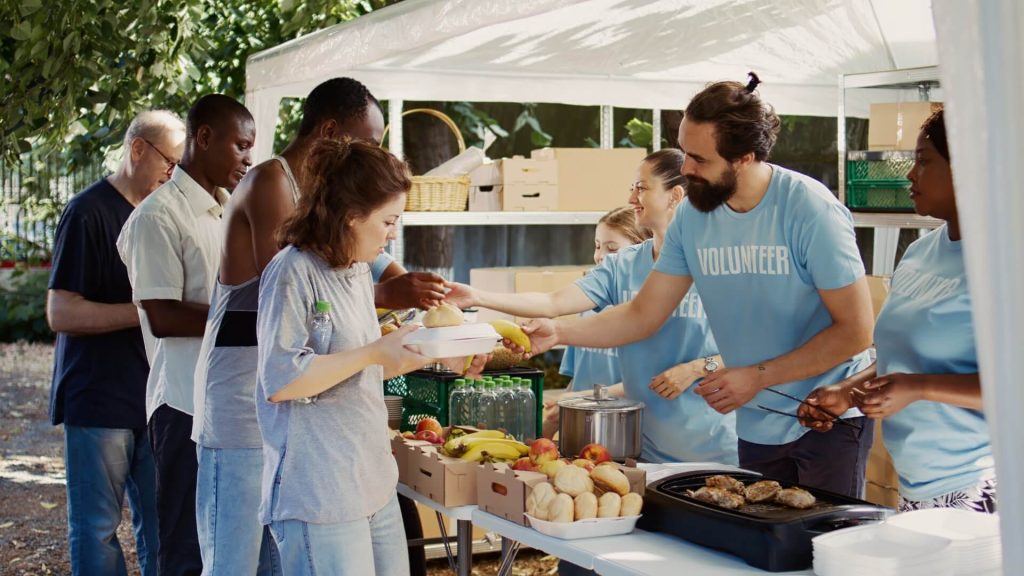
Recovery extends beyond personal healing. Contributing to the wider community builds pride and strengthens social responsibility. Volunteering provides routine and opportunities to learn new coping skills, whether that involves assisting at food banks, serving meals at shelters, or joining community clean-up events. Helping local nonprofits with tasks or events introduces individuals to new environments where teamwork and responsibility are valued.
These activities bring individuals into contact with diverse groups such as families, local volunteers, and community organizations, fostering new connections and positive experiences. Volunteering also exposes individuals to environments that prioritize compassion and collaboration, qualities that align with healthy recovery. Community involvement creates a sense of accomplishment. Seeing the direct impact of one’s work, such as meals served or parks improved, reinforces self-worth and builds momentum toward long-term goals.
Giving Back in Everyday Life
Not all acts of service require formal programs or public involvement. Giving back can happen in small, everyday ways that make a meaningful difference. Offering kind words, helping neighbors with errands, being patient in conversations, and showing appreciation to family members demonstrate reliability and kindness. These gestures strengthen relationships and create a positive atmosphere in daily life.
Many individuals in recovery feel motivated to repair strained relationships, and consistent actions help restore trust gradually and sincerely. Taking care of shared spaces at home or making an effort to be present during family interactions shows growth and responsibility. These everyday contributions help rebuild confidence and strengthen emotional connections that support long-term sobriety.
Creative and Skill-Based Contributions
Everyone has unique talents that can be used to help others. Sharing skills not only benefits the community but also strengthens identity and self-expression. Teaching a hobby such as art, music, or fitness, creating handmade items for charity events, or offering tutoring can highlight strengths that may have been overlooked during active substance use. Recognizing personal abilities enhances confidence and encourages continued growth.
Creative outlets also improve emotional well-being. Art, music, and journaling provide healthy ways to express thoughts and feelings. When shared with others, they can inspire hope and connection. Using technical skills to assist local organizations or communities further reinforces a sense of purpose while showcasing individual capabilities in meaningful ways.
Final Thoughts from Blueview Recovery
Giving back provides purpose, connection, and growth throughout recovery. Whether through mentoring peers, volunteering in the community, rebuilding relationships, or pursuing personal development, each act contributes to a healthier and more fulfilling life. People are encouraged to explore meaningful ways to contribute that align with their strengths and interests. Even small efforts can create powerful progress and help maintain motivation during challenging moments.
At Blueview Recovery, we view sobriety as an ongoing journey, and giving back helps keep that journey positive and purposeful. Our outpatient rehab program in Philadelphia, PA, offers resources that encourage community involvement and personal development as part of long-term healing, helping individuals build a meaningful life beyond addiction.