Recognizing the symptoms of fentanyl overdose is a critical skill that can save lives and protect your loved ones. Illicit fentanyl has saturated the drug supply, leading to a tragic surge in drug overdose deaths. This powerful synthetic opioid, known for its extreme potency, is often hidden in fentanyl pills or mixed with other illicit drugs, meaning many people take it unknowingly.
An overdose can happen in minutes. This guide will walk you through the life-threatening symptoms, the immediate actions you must take, and the path to treatment for the underlying opioid use disorder that puts people at risk.
Key Points
- The Critical Signs: The most dangerous symptoms of a fentanyl overdose are severe respiratory depression (slowed or stopped breathing), pinpoint pupils, and unresponsiveness.
- It Happens Fast: An overdose can occur within moments of fentanyl use, leaving a very narrow period to intervene.
- Naloxone is Essential: Naloxone (Narcan) is a life-saving medication that can rapidly reverse an opioid overdose. It should be administered as soon as an overdose is suspected.
- Always Call 911: Naloxone is a temporary measure. A person needs immediate medical attention, even if they wake up after receiving it.
- Hidden Danger: Illicit fentanyl is commonly found in fake pills made to look like prescribed drugs like oxycodone or hydrocodone.
The Surge in Overdose Deaths from Illicit Fentanyl
The United States is facing an unprecedented number of overdose deaths, a crisis fueled by illicit fentanyl. According to data from the Drug Enforcement Administration (DEA), much of this fentanyl is developed in clandestine labs in Mexico due to its low cost of production. It is 100 times more potent than morphine, so a lethal dose can be as small as a few grains of table salt.
This makes a stark comparison to other opioids. It is frequently mixed into other drugs like heroin, cocaine, and methamphetamine, or pressed into counterfeit pills, often without the user’s knowledge. This widespread, hidden presence is a primary driver of the crisis.
Core Symptoms of a Fentanyl Drug Overdose
A fentanyl overdose is a medical emergency. The risk increases as users develop a tolerance, requiring higher doses to achieve the same effect, which brings them closer to a lethal amount.
The Triad of Opioid Overdose Symptoms:
- Stopped or Slowed Breathing: This is the most dangerous symptom. Breathing may become shallow, slow, or stop altogether.
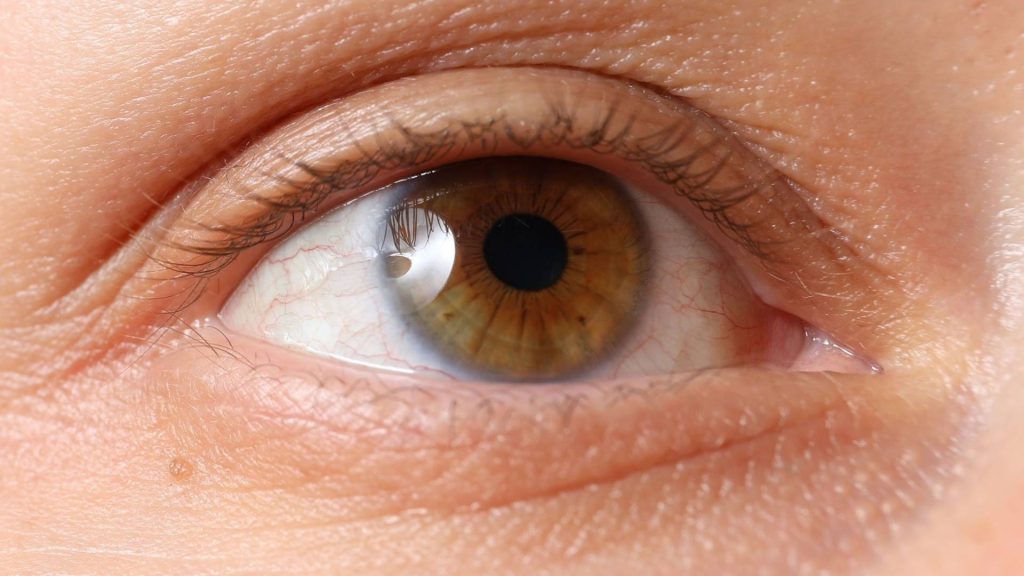
- Pinpoint Pupils: The pupils will constrict and become extremely small.
- Unconsciousness: The person will be unresponsive and cannot be woken.
Other Critical Overdose Indicators:
- Cold, clammy, and pale skin
- Blue or purple lips and fingernails (cyanosis)
- Low blood pressure and a weak pulse
Fentanyl Overdose vs. Being High
| Symptom | Just High | Overdose Emergency |
|---|---|---|
| Breathing | Normal or slightly slowed | Shallow, erratic, or stopped |
| Consciousness | Drowsy but can be woken | Unresponsive to stimuli |
| Pupils | May be constricted | Pinpoint and do not react to light |
| Skin | May be warm | Cold, clammy, and bluish |
Social Media and the Spread of Counterfeit Pills
The risk of a fentanyl overdose has been amplified by the role of social media. Drug dealers use these platforms to sell counterfeit pills, making it crucial to increase public awareness of this danger. The DEA’s “One Pill Can Kill” campaign highlights that pills purchased through social media have a high likelihood of containing illicit fentanyl.
What to Do in an Overdose Emergency
If you suspect an overdose, act immediately. Your actions can be the difference between life and death.
Emergency Overdose Response Protocol
| Step | Action | Critical Note |
|---|---|---|
| 1. Try to Wake Them | Shout the person’s name and perform a sternal rub. | If they do not respond, assume it is an overdose. |
| 2. Call 911 Immediately | Tell the dispatcher that someone is unresponsive and not breathing. | Medical professionals are needed, as naloxone can wear off. |
| 3. Administer Naloxone | If you have it, administer naloxone (Narcan) via nasal spray or injection. | Naloxone is available at many pharmacies. |
| 4. Perform Rescue Breathing | If trained, give one breath every 5 seconds until help arrives. | This keeps oxygen flowing to the brain. |
The Role of Substance Use Disorder Treatment
An overdose is often a symptom of an underlying substance use disorder, a condition frequently intertwined with mental health challenges or attempts to self-medicate for chronic pain. The first step toward recovery is often talking to a doctor. A comprehensive treatment program provides access to vital services and resources, including various screening methods to develop a personalized plan. Treatment that is dispensed with compassion helps people manage their condition and achieve long-term health.
Symptoms of Fentanyl Overdose: Frequently Asked Questions
How fast do symptoms of a fentanyl overdose appear?
Symptoms of a fentanyl overdose can appear within seconds to minutes of use, making it uniquely deadly among opioids. This near-instantaneous onset leaves little time for intervention. Signs include pinpoint pupils, loss of consciousness, and severely slowed or stopped breathing. The speed at which fentanyl overwhelms the nervous system is a primary reason why bystander response and immediate access to naloxone are absolutely critical.
What is naloxone and how does it work?
Symptoms of a fentanyl overdose can appear within seconds to minutes of use, making it uniquely deadly among opioids. This near-instantaneous onset leaves little time for intervention. Signs include pinpoint pupils, loss of consciousness, and severely slowed or stopped breathing. The speed at which fentanyl overwhelms the nervous system is a primary reason why bystander response and immediate access to naloxone are absolutely critical.
Can you overdose on fentanyl without injecting it?
Yes, fentanyl overdose can occur through multiple routes of exposure. Smoking, snorting, swallowing counterfeit pills, or even skin contact with fentanyl patches can all result in a fatal overdose. Because illicitly manufactured fentanyl varies wildly in potency and is often hidden inside other substances, any method of consumption carries extreme risk. No route of administration makes fentanyl safe outside of carefully monitored medical settings.
Final Thoughts From Blueview Recovery
Knowing the symptoms of a fentanyl overdose is the first step in being able to save lives. In this age of illicit fentanyl, the danger is everywhere. Act immediately by calling 911 and administering naloxone. Beyond the crisis, it is vital to address the underlying substance use disorder.
At Blueview Recovery, we offer a clear path to recovery, providing access to local resources and compassionate care. Located in King of Prussia and serving the greater Philadelphia region, we provide structured outpatient programs including PHP, IOP, and Virtual IOP, designed to fit real life. Our evidence-based care helps working adults build long-term stability without stepping away from their responsibilities. Recovery that fits real life starts here.